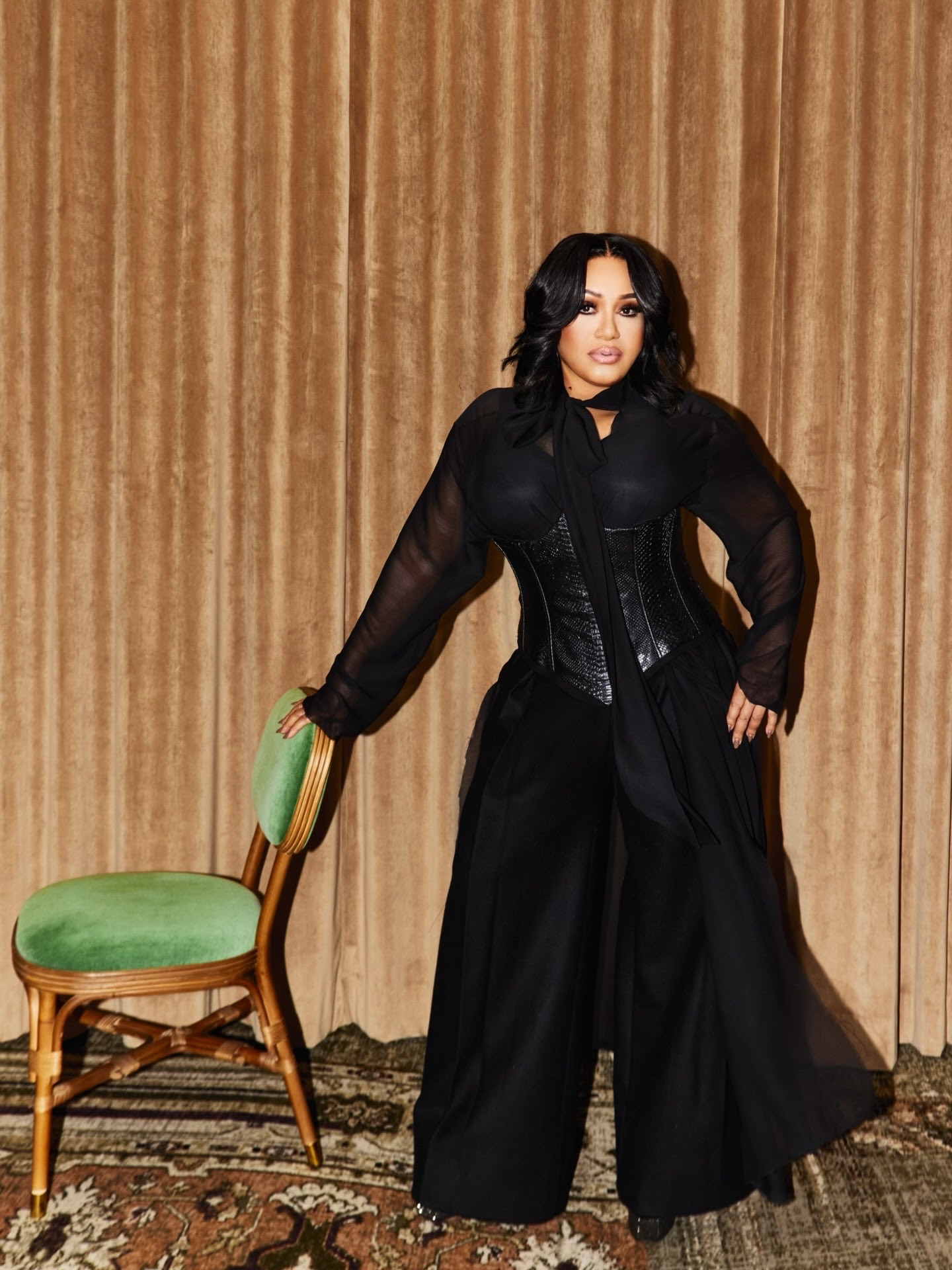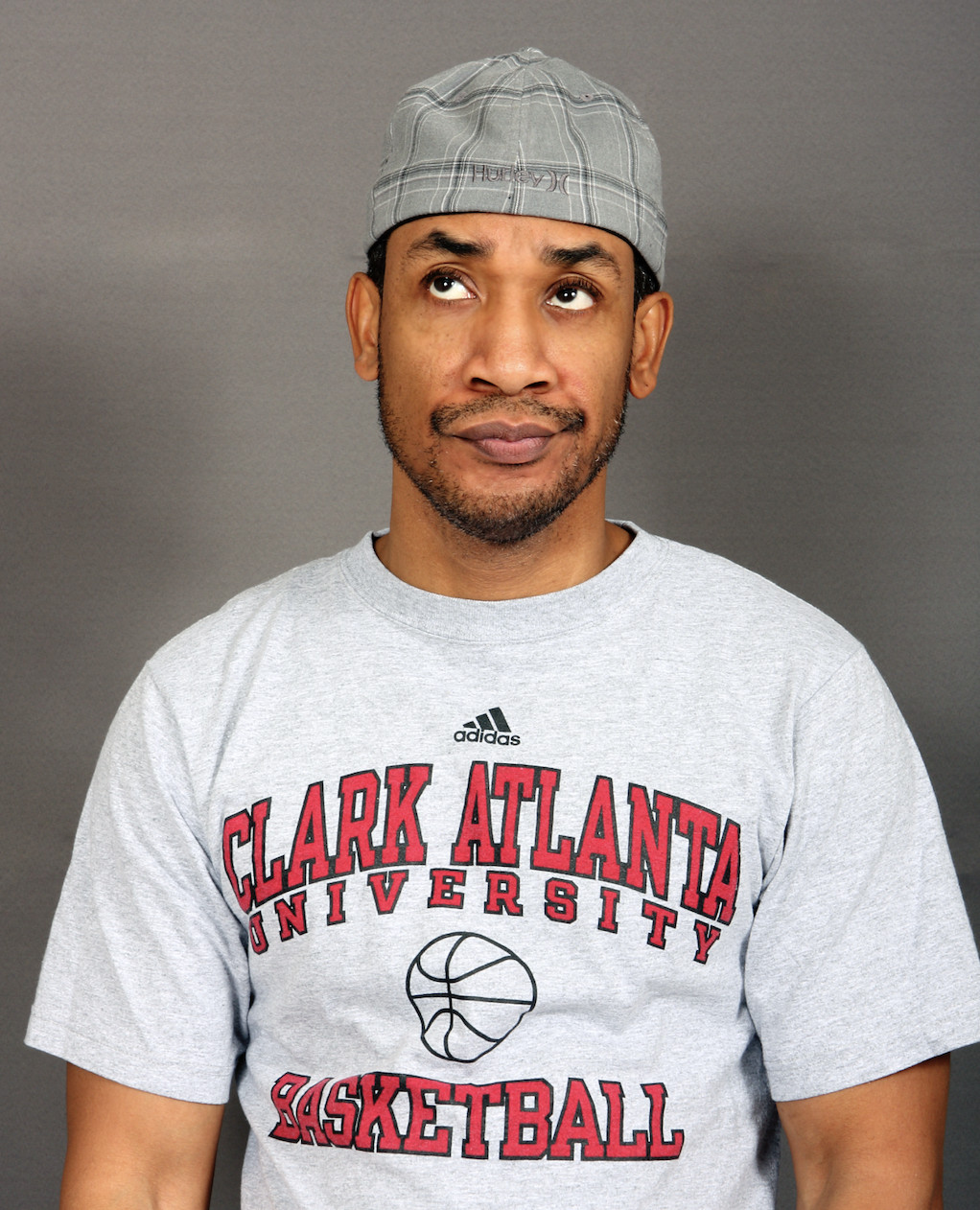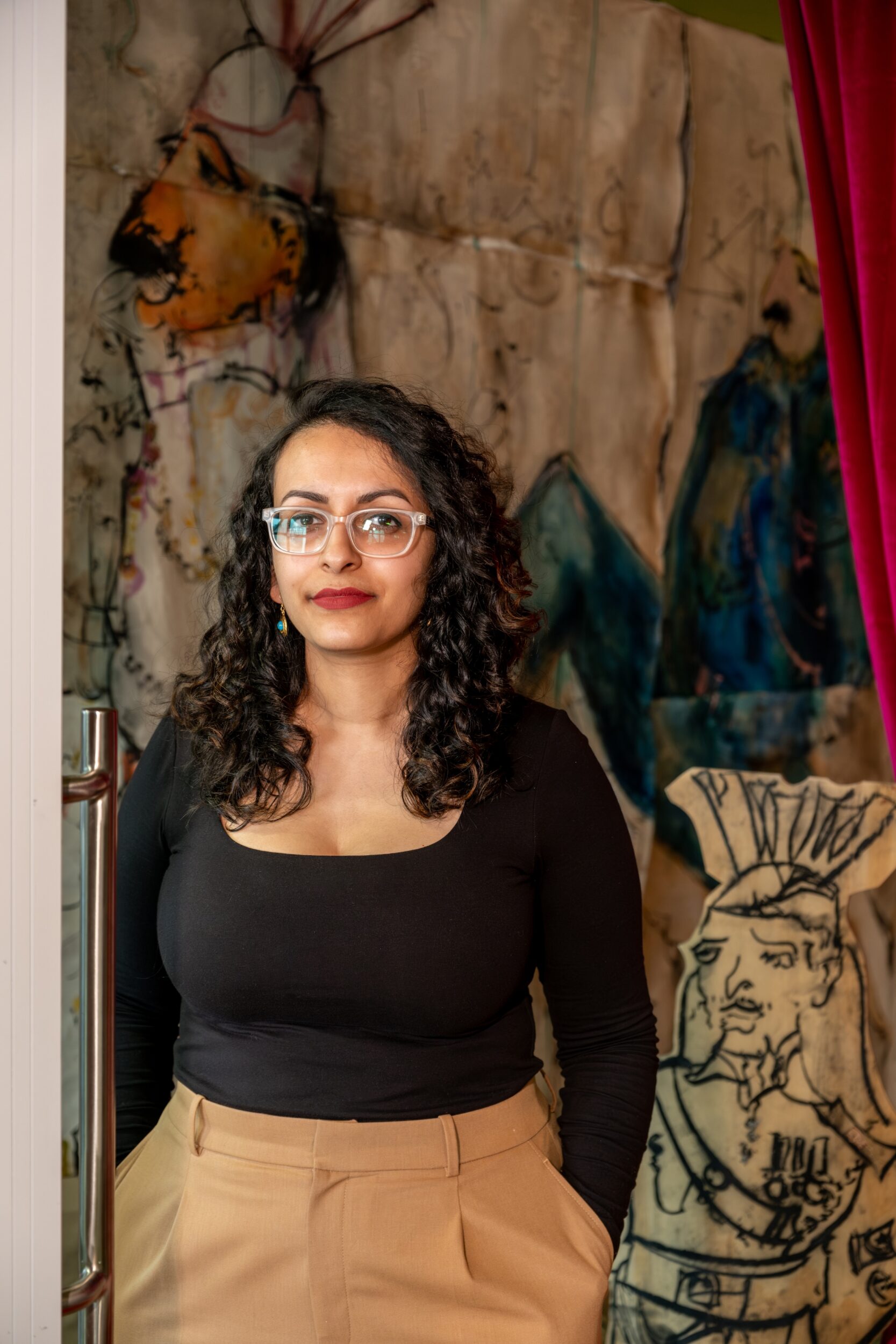
Our Meet the Team series introduces you to the minds and faces building The Hip Hop Museum. From the crews on the ground to the visionaries shaping your future visit, this is your opportunity to get an inside look at the brilliant people bringing this landmark to life.
This month, we spoke with Indira A. Abiskaroon Valbuena, Creative Director and Director of Curatorial Affairs of The Hip Hop Museum.
Adam Aziz: Can you start by introducing yourself and telling us what you do with the Museum?
Indira A. Abiskaroon Valbuena: My name is Indira A. Abiskaroon Valbuena. I’m a born, raised, and never-left New Yorker, and an art historian, curator, and writer by trade. I currently serve as the Creative Director and Director of Curatorial Affairs of The Hip Hop Museum—two very different hats. As Creative Director, I am shaping the Museum’s overarching curatorial vision and institutional identity. As Director of Curatorial Affairs, I am developing systems and infrastructure that will support our curatorial programming into the future.
AA: How did you come to get involved with the Museum?
IAAV: I was approached for the Director of Curatorial Affairs position by our CEO, Rocky Bucano, last fall. I don’t know that I’ve told him this, but I actually read his message the last day of my honeymoon, which made it all the more memorable! I joined the Museum at the start of January and hit the ground running. As some time passed, my role evolved to account for the Museum’s strategic needs.
AA: What has been your favorite moment so far working with The Hip Hop Museum?
IAAV: At the risk of sounding corny, there are too many to choose from. It’s an indescribable experience working to open a new museum. You put your head down and push through a mountain of work each day, knowing you’re working toward something history-making. Every once in a while, I have to stop and take a look around because in this particular museum, you’re working shoulder to shoulder with the pioneers who created the culture, and that’s not something I ever want to take for granted. Sometimes I have to pinch myself, wondering how some kid from Queens ended up on a Teams call with the voices I grew up listening to. I hope I never get used to it.
AA: For people who will visit the Museum and may only have a cursory understanding of Hip Hop, what do you hope they get out of the experience?
IAAV: It is important to me that no matter who engages this Museum, whether you’re a pioneer of the culture or someone who knows little to nothing about Hip Hop, you will walk away with a broader understanding of it. And you’ll want to come back for more! Whatever you think Hip Hop is, there’s more to it. Whatever you think a Museum is, there’s more to it. If I do my job, this won’t just be a place to learn about Hip Hop, it’ll be a destination to experience it.
AA: What is your view of Hip Hop culture today?
IAAV: From my very specific POV as an art historian who has never known a world without Hip Hop, my view is that it’s the most dominant and generative force in contemporary art and visual culture today. In whatever form it takes, it is ambition and innovation made manifest, and I couldn’t be more excited that there will now be a cultural institution dedicated to its study and preservation.
AA: What will it mean to you when The Hip Hop Museum opens its doors?
IAAV: As a 90’s kid from Jamaica, Queens, it’s already surreal. As a museum worker, our opening will mark one of, if not the most fulfilling, professional experiences of my career. As a curator who has spent the better part of the last decade contemplating the limits of museums as they have functioned historically, I’ll be proud, because the work we are doing here is breaking new ground in more ways than even we know. I’m excited to open and for all that will follow.