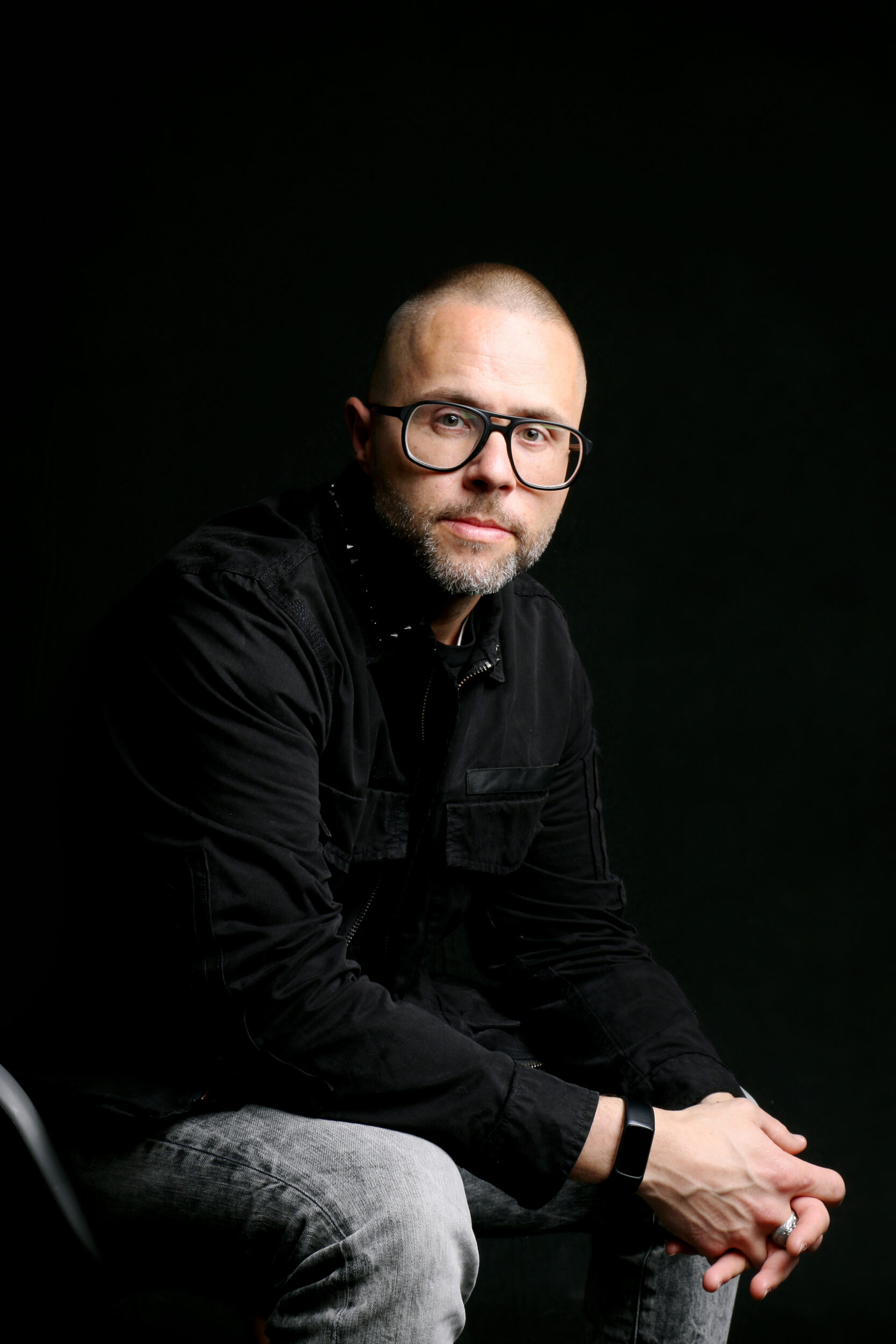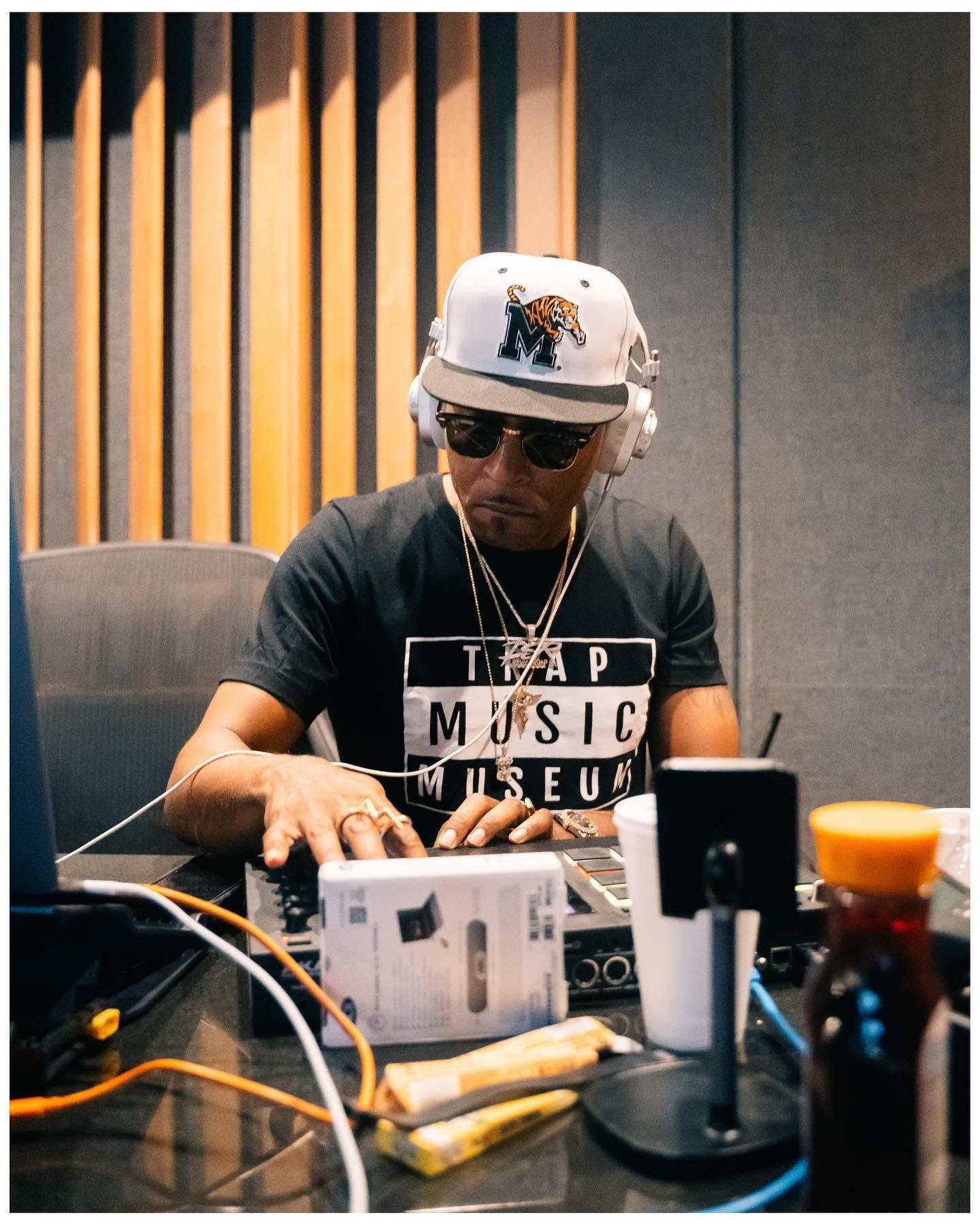
Drumma Boy stands as one of the definitive architects of the modern trap era. Rising to prominence out of Memphis, he became a central figure in the mid-2000s Southern rap explosion, helping define the “trap” aesthetic with a sound that felt both cinematic and street-certified. His production style is characterized by heavy, rolling 808s and aggressive brass arrangements, a formula that powered some of the biggest records of the decade. Hits like Young Jeezy’s “I Put On” and Waka Flocka Flame’s “No Hands” didn’t just top the charts; they established the sonic blueprint for a generation of producers and cemented his “Listen to this track, b*tch” tag as a mark of industry excellence.
Beyond his individual hits, Drumma Boy’s legacy is defined by his consistency and his role in bridging the gap between regional Southern styles and mainstream global appeal. He has managed to maintain his relevance by staying active in the gear and tech space while continuing to produce for both legends and rising stars. His career serves as a masterclass in longevity, proving how a distinct signature sound can influence the trajectory of Hip Hop for years after its initial debut.
Now, Drumma Boy has combined forces with T.I., Jeezy, Gucci Mane, and Yo Gotti on ‘The Birth of Trap’ documentary, which has been officially accepted into the 50th Annual Atlanta Film Festival.
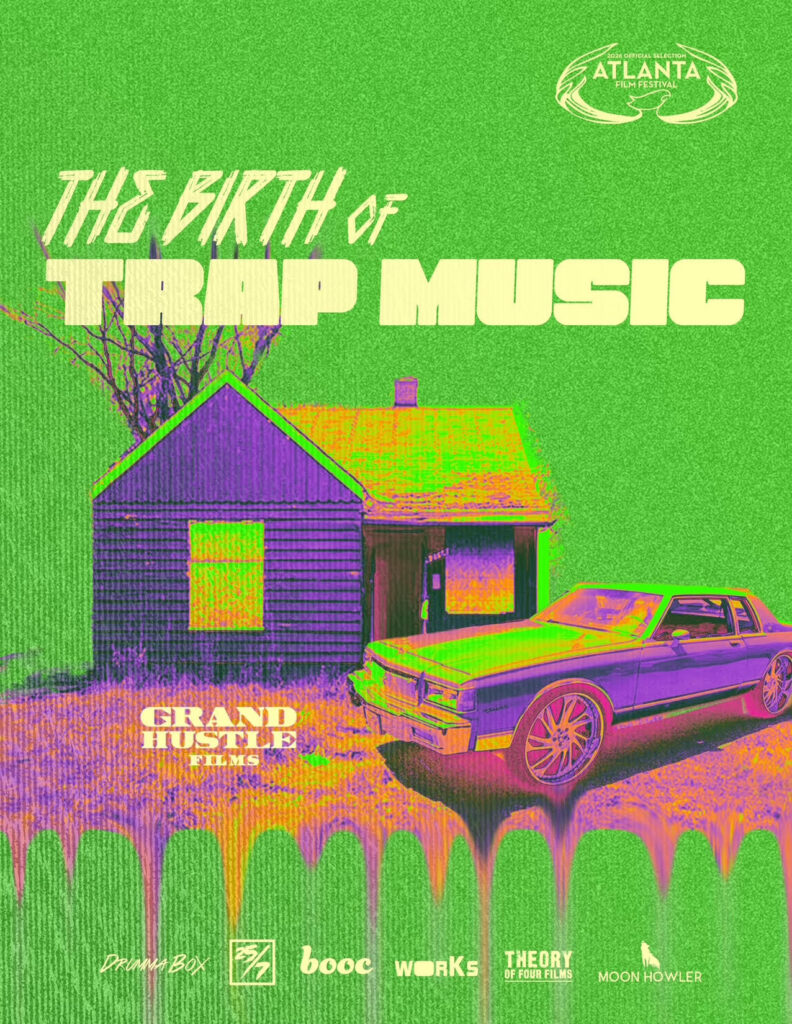
The Hip Hop Museum caught up with Drumma Boy to talk about the new documentary, the timeless music he’s made, the heart behind the hustle, and more.
Adam Aziz: What memories came up for you when creating the new ‘Birth of Trap’ documentary with T.I.?
Drumma Boy: Man, honestly, just capturing the moment, man. We’re talking about from Jeezy to T.I. to Gucci to Rick Ross. I don’t know if many people understand, or if big brothers and little brothers understand, just the feeling of inclusion, right? And then being able to deliver for those who are calling upon you. You could be Tiger Woods. You could be Kobe Bryant, you could be Michael Jordan, man. Where would you be without Scottie Pippen? Dennis Rodman, John Paxson. The guys who mean something and that are able to motivate you even during your darkest moments. And I think that’s what trap music was for us. Even as producers, being therapists to a lot of the artists that we work with, getting them in the mood to rap. Gucci would not have done “Photoshoot” without me. Waka would not have done “No Hands” without me. Jeezy does no “Standing Ovation” without me. Period.
AA: Is there an artist you’ve worked with that you dug but you thought would have done better commercially speaking?
DB: A lot of the time, it would be the hustle. So, that guy out-hustled a lot of the people who you could say rap better than him. Lil Wayne was one of the top rappers in the game. T.I. was another top rapper in the game. Rick Ross is another top rapper in the game. How does Young Dolph even get into the game? He out-hustled. Right? How does Gorilla Zoe replace Jeezy in the midst of everybody saying, “Oh, man. Gorilla Zoe, that’s who y’all going to replace Jeezy with? No way he’s going to fulfill Jeezy’s shoes.” How does Gorilla Zoe fulfill that? Out-hustled. How does Eazy-E get in the game? He wasn’t the greatest rapper. He out-hustled.
That’s the difference. To further explain, take someone like Rocko. Rocko made a hundred million just off of Future by putting money behind him. Many people wonder, where’s Rocko? What happened to him? Why did he start rapping, and why isn’t he rapping anymore? The answer is, he got a payday with Future.
AA: You grew up in Memphis, and a lot of the rap coming out of there was very dark. How did that sound influence what you ended up doing in the ATL and revolutionize that sound?
DB: I got with Yo Gotti, right? Because of my brother. My older brother’s name was Insane Wayne. He did a lot of piano keys for Three 6 Mafia, 8Ball & MJG. He was the barber to Three 6 Mafia and Eightball & MJG. So, he cut their hair. When I was 14, he was 28. He introduced me to Tela when I was 17 or 18.
My brother started respecting my music. Everybody in the streets of Memphis was like, “Man, Drumma Boy, he’s going to be as hard as his brother. He’s going to be hard like his brother. Damn, he’s making beats like his brother.” So, I had a name coming out of high school, and I bumped into Yo Gotti. I was doing beats for a lot of kids at my high school. My brother called me one day and was like, “Hey, we’re working on Tela’s Double Dose album.” I have three songs on that album.
If you look up Insane Wayne, my brother did two of the songs on that album. My brother did the song called “Double Dose” on that album. My brother calls me and says, “Hey man, I’m working on Tela’s album. I already got two placements on the album, but if you got any beats, let me know. I’ll play them for Tela and see if we can get you on the album, little bro.”
So, I pull up to House of Blues Studios in Memphis. Gary Belz was the owner, the Belz family. They’re a white family, but Gary fought for us and is one of the big reasons why we even have the Civil Rights Museum as well as the Lorraine Motel in Memphis. When the white demographic of Memphis tried to deny and say, “Hey, we don’t want this in Memphis,” Gary was one of the voices that said, “Hey, we’re fighting for this. We stand for this, and we will bring justice to the city of Memphis.”
AA: You have so many timeless records where, when people hear them, they are immediately transported back to that time. Songs like “Here I Am” and “Shawty”, as examples. What is it about those records that makes them timeles
DB: I think it’s the pain, the struggle. It’s our accent in Memphis. When I first got to Atlanta, Pastor Troy was getting a kick out of how I talked. “What’d you say? ‘Mane.’ Say it again. ‘Mane.’ Oh, man.” And he would be like, “Man, y’all could say ‘mane’ in thirty different ways, and it means something different each time.” So, me rubbing off on Rocko, Gucci, Jeezy, T.I., 2 Chainz.
I remember talking to 2 Chainz like, “Bro, you a skinny-ass guy with no titties. What does Tity Boi mean?” And then he goes and changes his name to 2 Chainz. Us being from Memphis, we’re gonna talk so raw to you like a big brother or like an uncle. Like, “Man, come on, Adam. You need a nickname, Adam. The whole world can’t call you Adam.” We will be the guys or your other brothers from the other mothers that give you the nickname. “Okay, we’re gonna call him A3.”
AA: Awhile ago I spoke with Mark Batson and he talked about marvelling at Dr. Dre’s creative process in the studio. Who’s a producer that you’ve been in the studio with where you were really impressed by their creative process?
DB: Zaytoven, man. The way he plays the keys, he jumps on those keys and those funky fingers and just creates a vibe before we even hit the drums.
My vibe is the drums. I’m going to make you bounce. I’m going to hit you with the drum, and god damn, I can put the sounds in and bam, bam, boom. Zay could play the keys alone. No drums, no nothing. I’m a finger drummer. So, most of my stuff is going to be the drums when I make the beat. “No Hands” from scratch. Not crazy keys, but just the vibe itself got everybody. But Zay, he could play the keys and just be coming from just the keys element, coming out of that church, and he’s hitting you with the “Hallelujah!” You’re going to want to sing, and now you got the words and the melody coming through.
It’s like all of us are X-Men, but somebody’s gotta be Wolverine. He’s good with his hands. Okay, Cyclops, he’s good with his eyes. He got the vision and the rays, and he’s killing you with his eyes. Storm, she got the wind and this and that. As a producer, everybody’s got their own superpower. They’re a superhero in their own way, and you just gotta find that. Like, Kobe understood what he was good at. LeBron understands what he’s good at. Stephon Marbury understood what he was good at. One of the smallest guys in the NBA’s history, Nate Robinson, he understood what he was good at.
My dad was the first chair clarinetist in the Memphis Symphony Orchestra. First African-American first chair. So you’re beating out a lot of different ethnicities for the first chair. You’re pissing people off. You’re making the top dollar. And as a musician, we’re already getting paid the least amount of money. So as a first chair, you might make 40,000 a year. The second chair makes 28,000. The third chair makes 15,000. So the third chair definitely has to be a substitute teacher, a professor, or someone doing something else with his spare time, because he ain’t paying all the bills as the third chair. Those are the things that I saw, you know, even politically with my dad.
AA: Is there a record you made that you thought would do better than it did? Like you’ve had massive hits like “Put On”, but is there one you made that didn’t do as well that stands out?
DB: Man, it’s hard, bro. Even the records that I didn’t like or hated still blew the heck up. Like, one of my records that I didn’t understand at the time was “Plenty Money.” I was sober as a bird when I first heard that record, and I heard it back, and I was just like, “Dog, I put all this time into the guitar and into the baseline and this and that.” And this guy is yelling on the record. And then I hear the stuff in the club after I done had a drink and finally got a good smoke, and I’m looking at the people pulling out $100 bills out their pocket like, literally, “What’s in my pocket? Oh, big face.” Like, “Oh, this is what this record was meant for.” Oh, now I get it. Damn. You know, certain times you gotta really like be either under the influence or in the environment to understand what it was made for. And that was one of the records that I was like, man, I judged this too soon. This is a smash, and we made hella money, man.
AA: Is there something specific in Southern Hip Hop history that is at risk of being forgotten by the new generation?
DB: I would say just trap music and the origin of where trap music started. And that’s the whole purpose of this documentary. The producers, the faces, the people behind the sound. Shawty Redd, Drumma Boy, DJ Toomp, Zaytoven, Fatboy. That’s what this is about. It’s just putting the faces in and letting people know, I’m the Michael Jordan in this. Period.
AA: Why do you think it’s important that Hip Hop has its own Museum?
DB: We got our own story. We got our own space. We got our own people. We got all these guys who took all these sacrifices in Hip Hop and trap music. Think about how many people we lost. I lost Gangsta Boo. I lost my older brother, Insane Wayne. I lost Young Dolph. I lost Takeoff. I lost so many. Like, bro, how many people I got to lose for a person to understand, like, why we doing this? They think, “Oh, we just getting high and using drugs and this and that.” Where do the drugs come from? We didn’t put this in the community. We didn’t put these guns in the community. We are just the refugees of the war on drugs. These are our circumstances, and this is the best we could do with what we had. We turned nothing into something.
Follow Drumma Boy on Instagram.