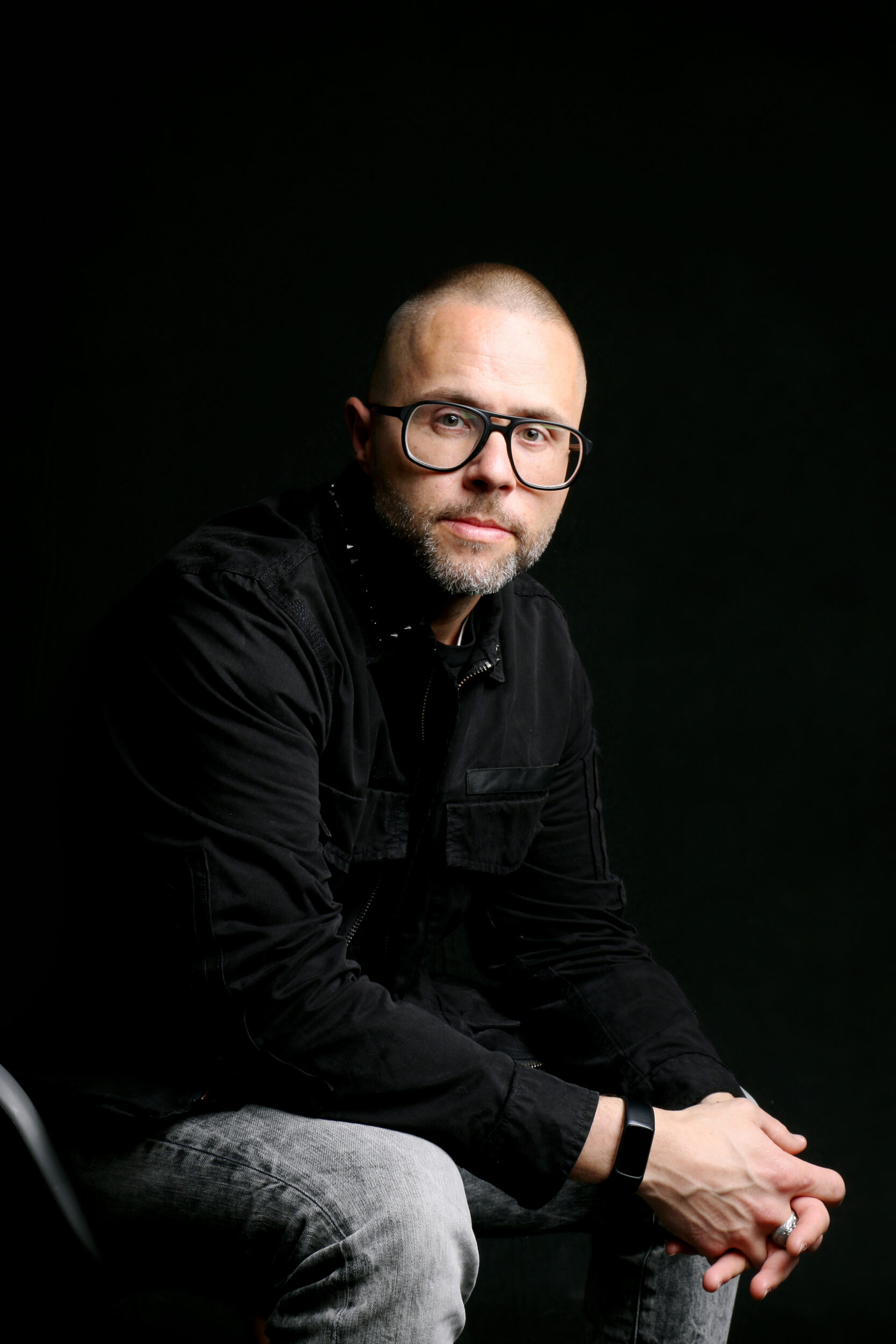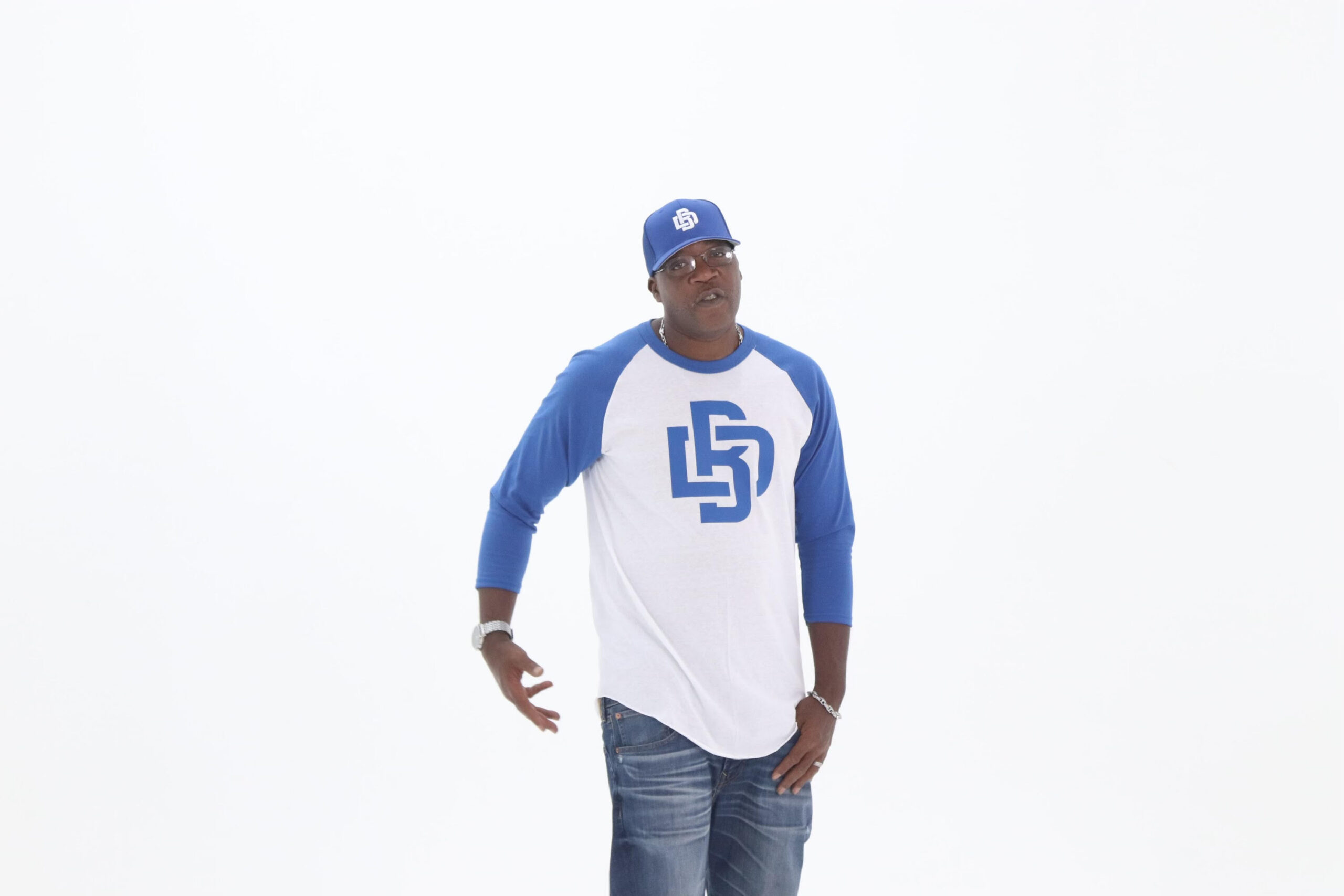
Billy Danze remains one of the most formidable voices in Hip Hop as one-half of the legendary Brooklyn duo M.O.P.
Rising from the streets of Brownsville alongside his partner Lil’ Fame, Danze became synonymous with a high-octane, aggressive delivery that redefined the 1990s and early 2000s. His signature grit helped propel underground anthems like “How About Some Hardcore?” and the crossover smash “Ante Up” into the cultural lexicon, securing a legacy that spans collaborations with icons like DJ Premier, Jay-Z, and the Gang Starr Foundation.
Beyond his work with the First Family, Danze has maintained a consistent presence in the culture through a robust solo career.
On April 24th, Danze released his latest solo project ‘The Answer’ with a list of collaborators that includes Jadakiss, Evidence, Busta Rhymes, B-Real, Redman, Ghostface, and countless others.
The Hip Hop Museum caught up with Billy Danze to talk about his new solo project, the staying power of “Ante Up”, his long-standing friendship with DJ Premier, and more.
Adam Aziz: Your new solo album, ‘The Answer,’ is excellent. One of the standouts for me was the track “Brooklyn Confidential.” I’ve always found that you and Lil’ Fame always rap so visually, and you have a way of putting the listener in the moment. Why do you think some MCs can paint pictures that way?
Billy Danze: I think it’s the connection to what you’re writing. When I’m being an MC, I’m right there at that moment. So, whether it be “Brooklyn Confidential” or any other record that I put together, I’m right there. I’m focused. I’m locked in right there. I want to give it to you with so much passion that, even if you close your eyes and try not to see it, you still can.
I’ve been rapping longer than the world knows. The world knows me for rapping for 30, 32 years, but I’ve been rapping longer than that. I know how to get my point across and make sure you know I want you to see what I’m saying. I think that comes with being an honest artist and an honest MC. It’s not always about me. I can’t brag as much as I used to because I’m not in the same position. So I got to tell you things that make sense, so it’s easy for you to see.
AA: Continuing with your current project. The record “In Case You Forgot” has that “Wu-Tang Clan Ain’t Nuthin Ta F*ck Wit” energy where you and Fame are reminding people who M.O.P is. How has M.O.P been able to stay true to its gritty, grimy street sound after all these years and never shift away from that? It’s not easy to do.
BD: It’s easy, bro, especially when you start off just being yourself, right? Some people start off with the gimmick, and the gimmick is almost a lie. Because how long can you keep up a lie? For us, it was very easy because we just started as who we were at that time, and everything we made up until this point is who we are at that moment. It’s really easy to be yourself.
AA: I wanted to talk about “Ante Up” for a minute. I still find it fascinating that a song about robbing people has transcended Hip Hop over the years and become a pop culture phenomenon. What do you make of the staying power of “Ante Up?”
BD: It was the combination of time and passion in the song. The people who were behind us and the work that we put into it to get it moving. And it’s just a song that gets that feeling that it catches you. And this is what artists should understand. When you do a record, you want to do records that people don’t have to know who you are to like it. I say that because if you walk into a convenience store and you hear a good record playing, you don’t really have to know who the artist is. It grabs you. So that’s the kind of record that we created.
Now, yes, it was about robbery. So that’s kind of weird that it would be so big. But on the other hand, we had been in the business for some years. When I was writing, I was writing from—even though I said what I said—but I was still writing from the position of ‘I’ve been here for years, and people are not giving me my proper due.’ So, I need you to ante up those props. It just comes across as a robbery.
It’s weird that it lasts so long and people are so crazy about it, and it helped take care of the family, put the kids through school, but God bless the people who created that record. Shout out to DR Period, Lil’ Fame, Laze E Laze, Steve Rifkind, everybody that was involved with moving that record, man, I’m grateful.
AA: Why did you name the new album ‘The Answer’

BD: It’s the answer to whatever your question is. It’s more about whether you really pay attention to the album, you’ll see that the only thing on the album is real; some are real-life things and Hip Hop things. It’s nothing else. So ‘The Answer’ is for the artist who may be coming up, or the fan who may be listening and is lost to what good is, to what passion and dedication to this music thing are.
AA: One of my favorite M.O.P records is “Firing Squad.” Talk to me about your and M.O.P’s chemistry with DJ Premier.
BD: That’s the easiest connection that I’ve had throughout my life, not just in business, not just in the music business. Preemo is really family.
I know you get it when you talk to people, they say that about other artists or other producers, but this is really different. I know we’re coming to work when we go in the studio, but I know we’re gonna have a good time. It’s always been an easy process to work with Premier because, first of all, he’s so honest. If he don’t like what you do, what you say, how you flowing, how you laid it, he’s gonna make you do it again and again and again. I think the best part is there’s really no pressure.
AA: One of my favorite tracks on ‘The Answer’ is “Hope” with Evidence. I feel like Ev is one of the most underappreciated MCs. Talk to me about that song and getting Evidence on the project.
BD: I’ve always respected him. And then I heard a couple of joints that he did, and the way that he was with the word placement, word play and the feeling that he was doing in these particular records. I was like ‘Jesus Christ, this is fire.’ So I called him up. He’s an icon. He’s a legend. He is above the radar. So maybe he’s flying so high that maybe some people don’t see him.
The way he raps on “Hope” is so fire. He just cruises right through, but he’s saying so much, and it pulls you right in. I sent it to him. He set the tone. He set the tone for it. It just so happened that the beat was named ‘Hope.’ So, as he’s rapping about it, he’s giving us hope. It feels like hope for Hip Hop. So, I’m like, ‘Oh, that’s great.
AA: It feels like you, Fame and M.O.P have always had respect across Hip Hop and the music business. Respect is hard to maintain for as long as you have. There aren’t many names that have been able to do that. Nas, LL, but not many. What’s the secret sauce?
BD: LL has never been anything different from LL. Now, this is a dude that I knew before the world knew him as LL when I was a child. It’s always the same way. He’s always licked his lips. He’s always been sharp. He’s always made records that were different from the last. He never attempted to be something that he wasn’t. Same with Nas. Nas said, ‘Look, I’m coming into this business to show y’all I can really rap.” He showed us that on “Live at the Barbecue.”
He’s just a solid dude. He’s a grown man’s version of a solid dude. He’s a good person’s version of a solid dude, not the knucklehead street dude. And everybody loves a good guy. That’s why we love Nas. As far as M.O.P, we never had any issues with anybody in the business. We never portrayed ourselves as something that we weren’t. We represented the part of society that people try to forget about, and we continue to do so. Regardless of what kind of car I’m sitting in, that don’t even matter. I’m not going to talk to you about this car cause it’s only a car.
I think that’s what people respect about artists, and that’s where the longevity comes in. Some people come in the game, and it’s just a phase or just a fad, and then they go out. I’m happy about that because at least my people get to make some money and make some noise, be able to change their future or, you know, change their lives or whatever. But as far as the music goes, I just want the real music from the real people, from the real artists for the real people.
That’s why some cats have longevity, whether it’s LL, Ice Cube, Ice-T, M.O.P, Wu-Tang Clan, who just got into the Rock and Roll Hall of Fame. Rakim, although as much as I want to be the best rapper alive, I can’t be because Rakim—we already had Rakim, there’s no way I could be the best ever. He’s the absolute best.
AA: Why do you think it’s important Hip Hop has its own physical Museum space?
BD: I mean, come on. It’s the biggest thing on the planet, right? It’s the biggest thing on the planet. We talking about something that they said would not last 10 years. We’re 50-plus years in now. Hip Hop has been able to secure more homes in the urban community than every Major League sports team, big tech companies, anything else that you can put together combined. Hip Hop has secured more people than all of those entities.
We’ve got dudes like 50 Cent that’s running a major film empire. We got Dre, who sold some headphones for a billion dollars. These are urban kids who basically had nothing. And you even got kids that—and I hate to say it like this—but kids that aren’t even as good, that’s doing well financially. It’s changed the lives of so many people, so many families.
This thing of ours is huge. And it should be. It’s got to be the most important thing that has happened to our people ever.
Follow Billy Danze on Instagram.