Each month, we will speak to an athlete, celebrity, designer, or non-Hip Hop entertainer about what Hip Hop means to them. This feature is intended to showcase how far-reaching the influence of Hip Hop culture has grown in the past 50 years and how much the culture means to so many.
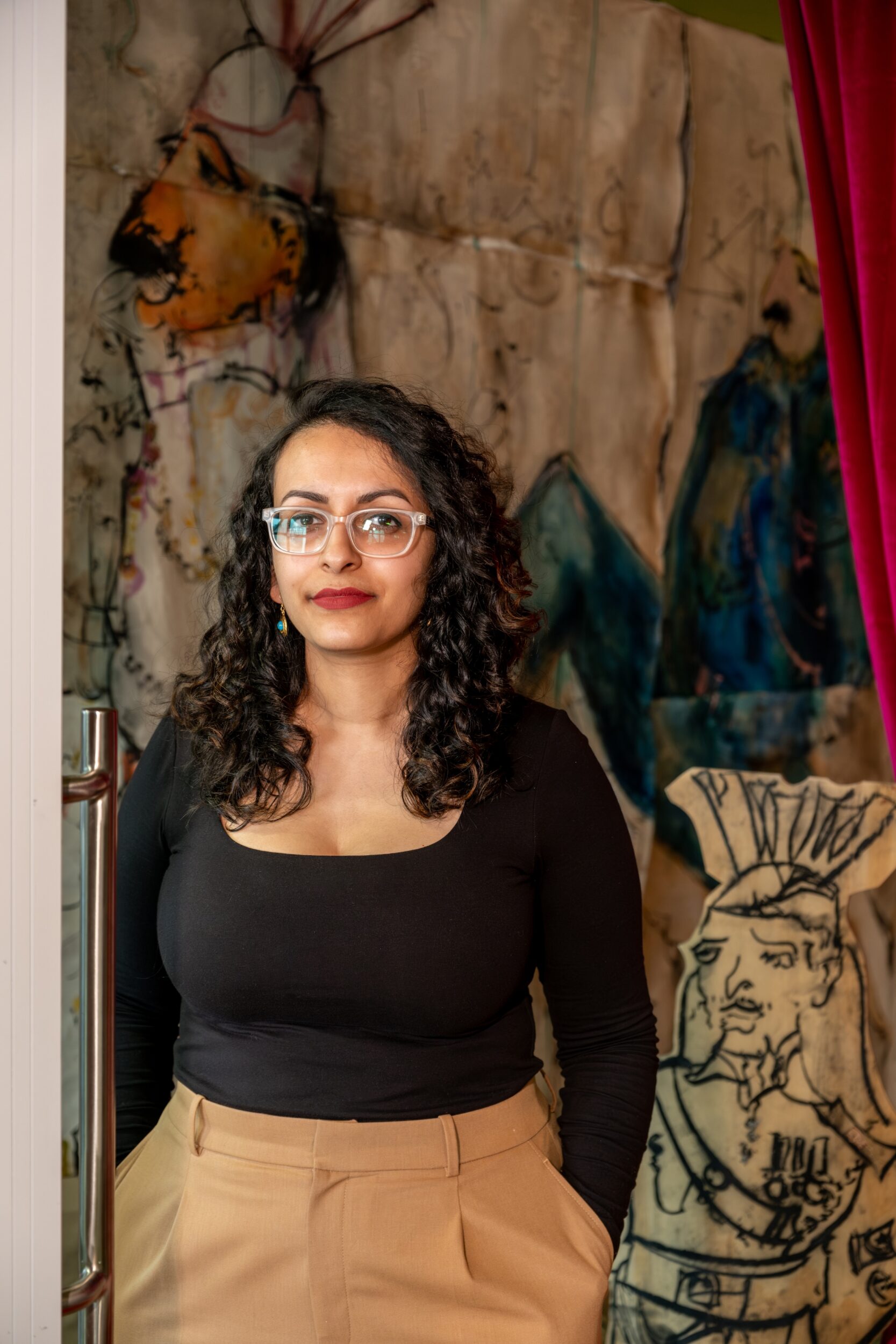
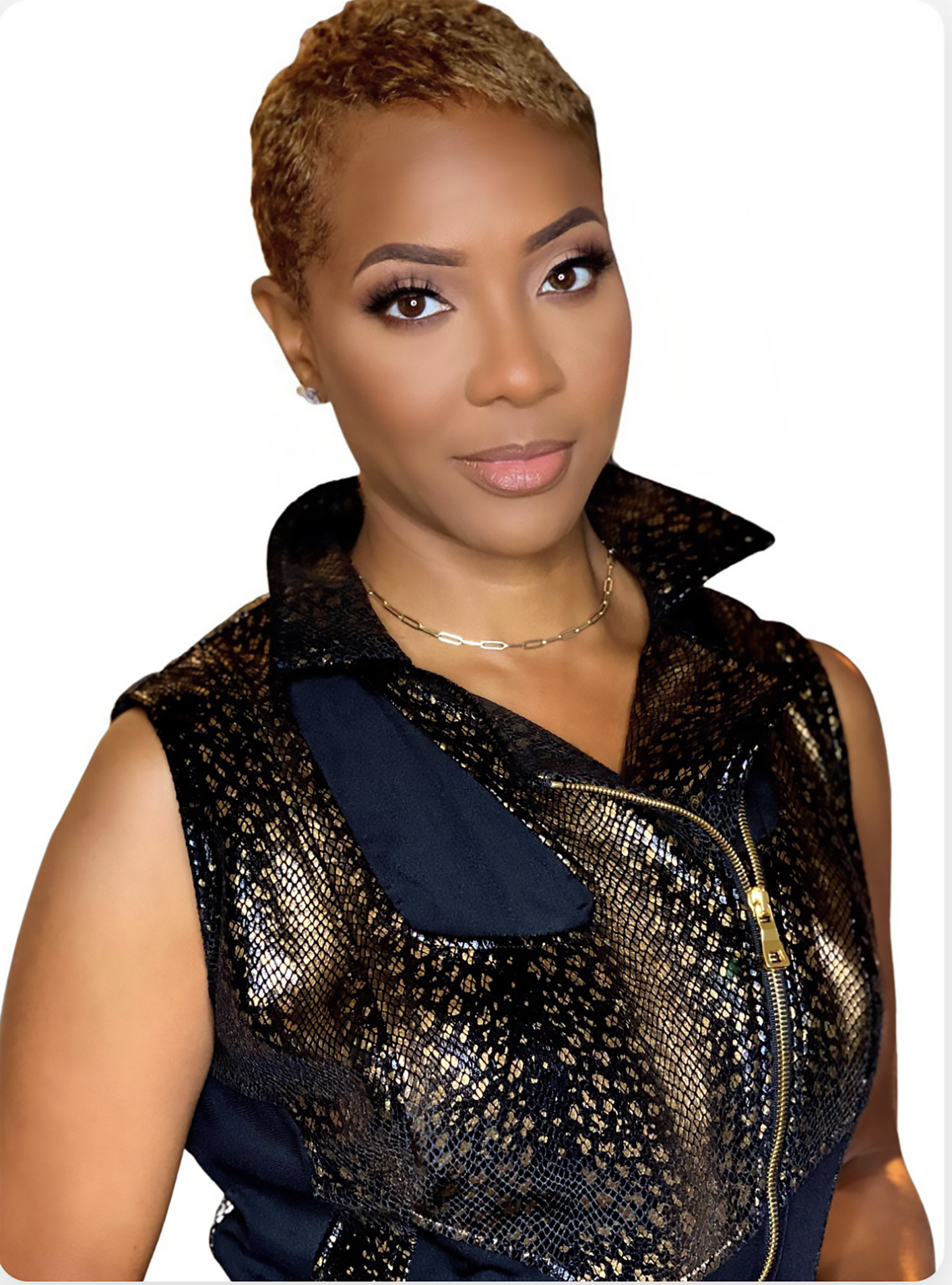
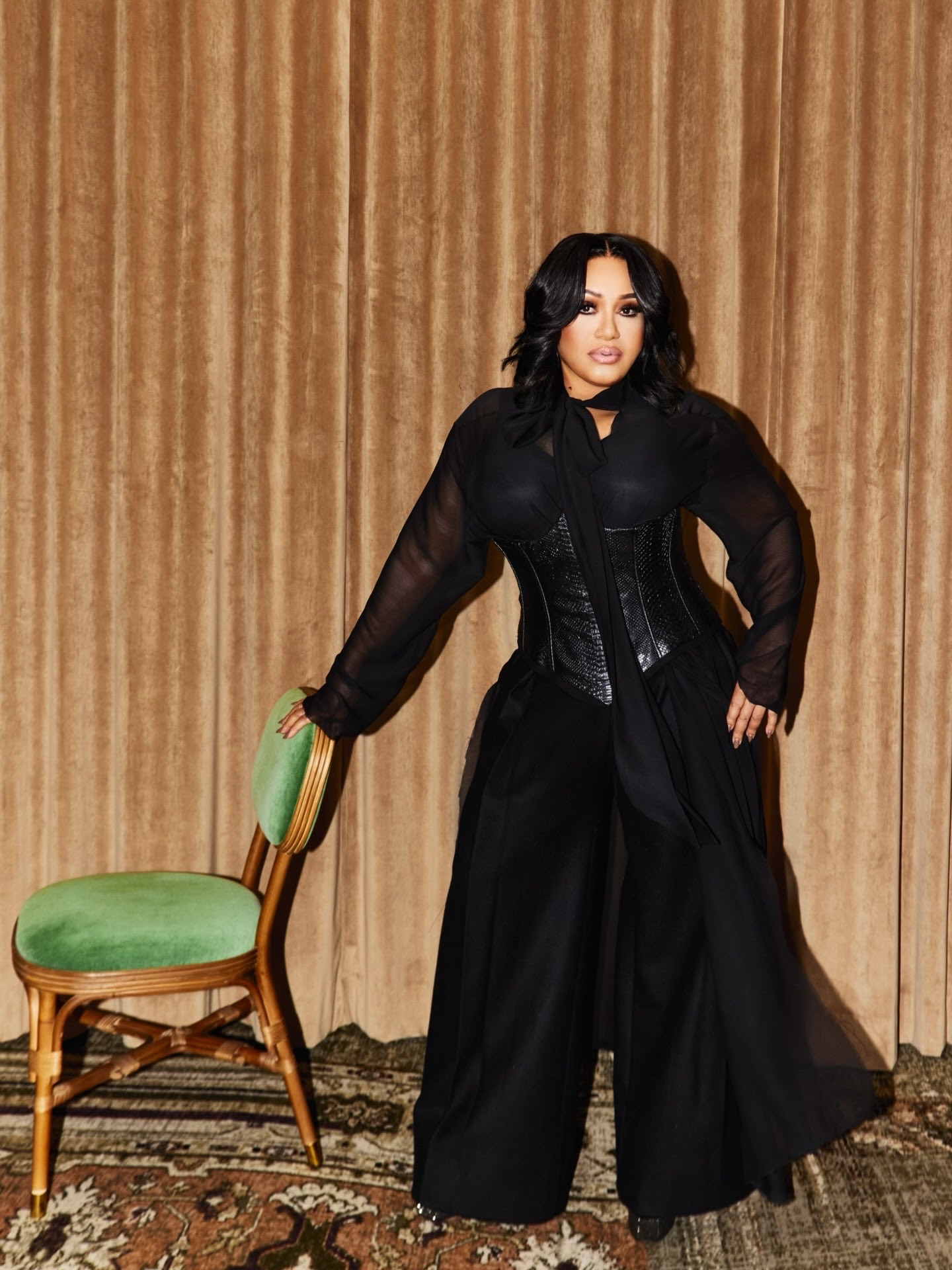
This month, we spoke with Sabriya M. Dublin, Esq. General Counsel for the legendary Death Row Records.
Sabriya M. Dublin, Esq. is an entertainment attorney and business executive serving as General Counsel of Death Row Records, where she guides the legal and strategic framework for the iconic label. Working closely with Snoop Dogg, she leads complex dealmaking, intellectual property strategy, and legal operations across music, emerging media, and AI initiatives. Dublin is responsible for protecting the Death Row and Snoop Dogg catalogs, overseeing high-value agreements in recording, publishing, and global brand partnerships. Her recent key achievements include negotiating Snoop Dogg’s Fortnite takeover with Epic Games, his international Topgolf partnership, and a strategic catalog alignment with Reservoir Media, all while supporting the growth of modern artists like October London and Jane Handcock.
Prior to joining Death Row, Dublin founded The Dublin Firm in 2019, building a boutique practice that merged entertainment law with creative strategy for artists, creators, and hospitality ventures like Brooklyn Chophouse. A Boston native and graduate of Hampton University and New England Law | Boston, she has defined her career by formalizing the synergy between artistic creativity and durable business structures. Today, she remains instrumental in shaping how legendary labels evolve within a modern, creator-led economy, operating at the intersection of cultural vision, disciplined legal strategy, and global commerce.
SO SABRIYA, WHAT DOES HIP HOP MEAN TO YOU?
Hip Hop, to me, is one of the most powerful cultural movements of our time. It’s more than music; it’s a language, a form of expression, and a reflection of the communities and experiences that shaped it.
As part of the very early millennial generation, I grew up during one of Hip Hop’s most transformative eras. As a child of the 80s and a teenager in the 90s, I experienced the culture during a time when it was still evolving and defining itself, while also becoming what would ultimately be the most powerful music genre in the world in terms of guiding and influencing culture globally. Hip Hop is storytelling, more so in eras of the past. But it’s how artists document what they were seeing, feeling, and navigating in real time. Hip Hop has shaped how people speak, dress, think and connect. Over time, it has become a global force influencing fashion, language, business, and entertainment across continents.
Now, working within the industry, I see another important layer. Hip Hop is now also about ownership, legacy, and protecting the value of what artists create. The culture built entire industries, and it’s important that the people who shaped it continue to have a voice in how it evolves and how its history is preserved. For me, Hip Hop represents empowerment, individuality, creativity, entrepreneurship, and cultural influence all at once. It’s one of the clearest examples of how art can shape the world.
Why do you think it’s important Hip Hop has its own physical Museum space?
Hip Hop deserves its own museum because it’s one of the most influential cultural movements in modern history. What began in neighborhoods and community spaces grew into a global phenomenon that reshaped music, art, fashion, business, and culture around the world. For those of us born in the early 1980s and raised during the rise of Hip Hop, we witnessed that transformation firsthand. We saw the culture develop from something many people didn’t initially understand into a movement that would eventually influence culture on a global scale.
Having a dedicated space for Hip Hop is incredibly important. A museum creates a one-stop destination where artifacts, one-of-a-kind memorabilia, and the incredible stories behind the music can be experienced in a tangible and visual way. When you think about the magnitude of Hip Hop’s influence, it’s actually quite surprising that something like this hasn’t existed before. But it’s long overdue. And what better place than in NYC.
Having a museum is also about safeguarding the legacy and the authentic narrative of the genre. Hip Hop was built through decades of creativity, resilience, and determination. The artists, producers, DJs, writers, designers, executives, entrepreneurs, and communities who contributed to its growth poured blood, sweat, and tears into building something that ultimately changed the world. A museum allows those individuals to see the fruits of that work recognized and preserved. Protecting that history matters because if we don’t safeguard it, there will always be forces that attempt to distort it, diminish it, or erase the decades of development that shaped the culture. Preserving Hip Hop’s story ensures that its impact and influence are documented authentically and respected for what it truly represents.
A museum also creates a space where the full breadth of the culture can be experienced. It gives generations young and old the opportunity to see how far the genre has come, to understand the people who helped shape it, and to imagine how the future will continue to advance it.
Follow Sabriya M. Dublin on Instagram.