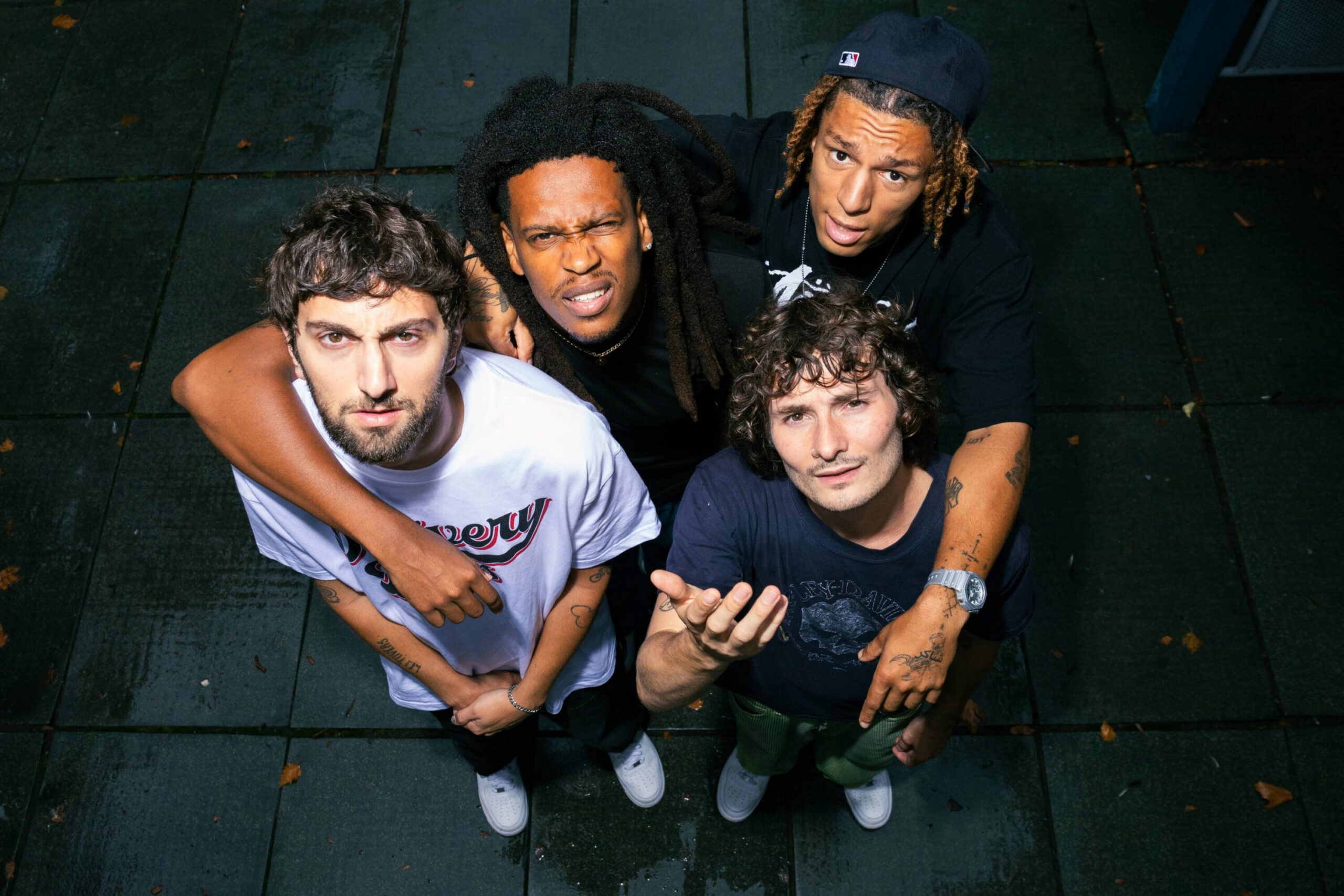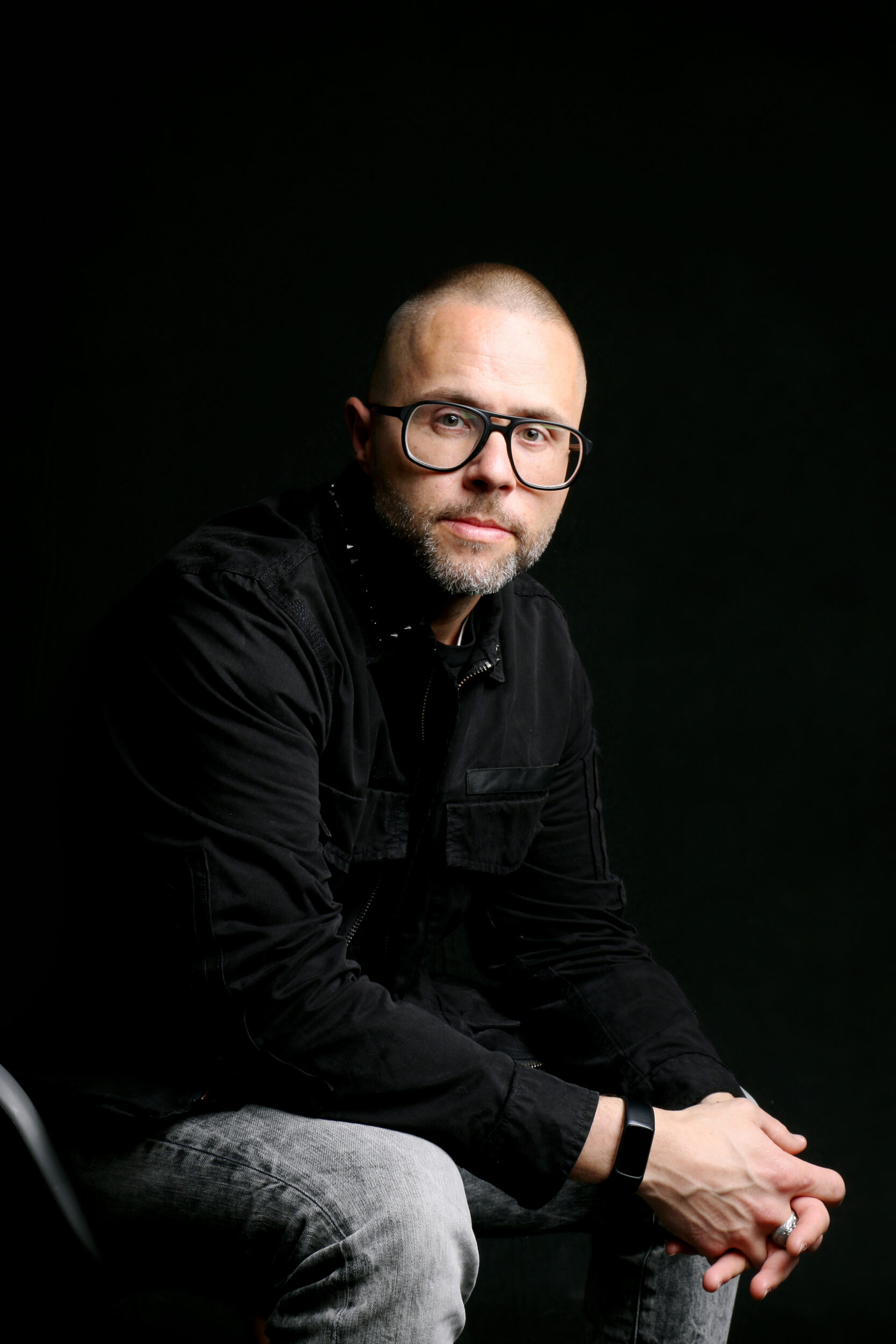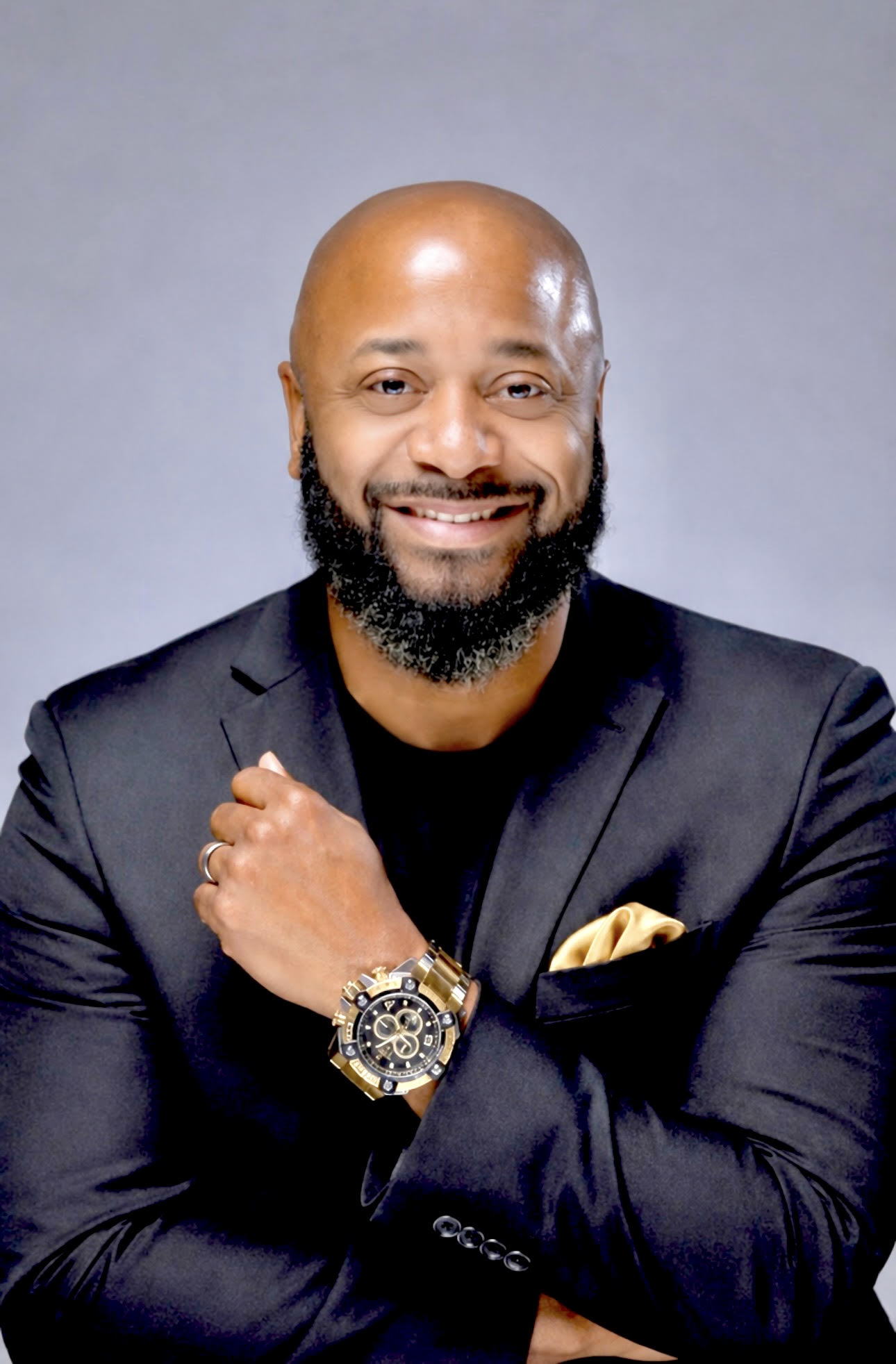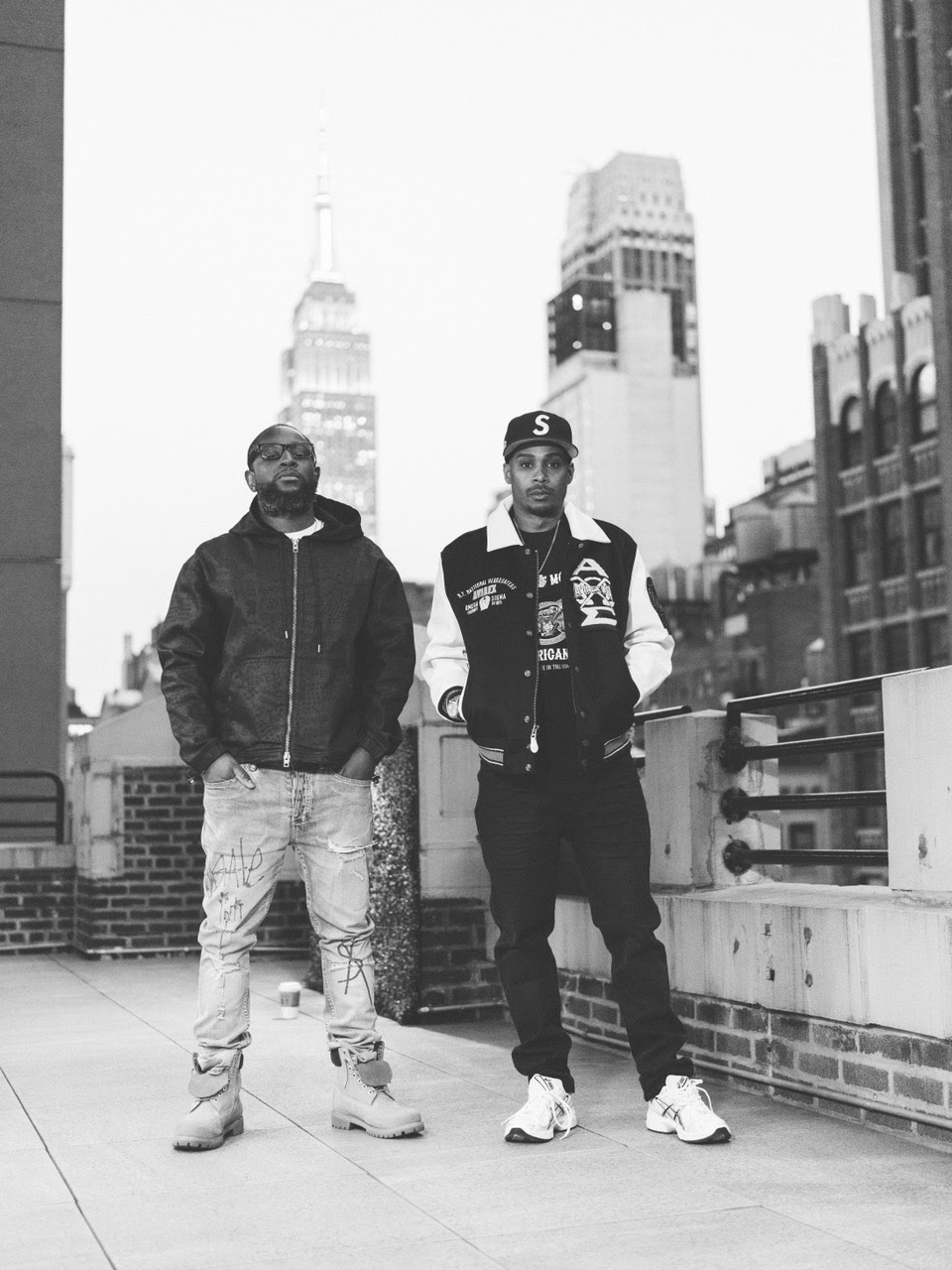
Mike & Keys stand among modern West Coast Hip Hop’s most vital architects. Originally making waves as The Futuristiks, the multi-instrumentalist pair quickly set themselves apart with a signature blend of soulful gospel progressions, crisp percussion, and cinematic brass that powered early work for artists like Lupe Fiasco, Royce da 5’9″, and T.I.
Their legacy is most famously cemented by their creative partnership with Nipsey Hussle, serving as key sound architects across seminal tapes like Crenshaw before executive producing his Grammy-nominated masterwork, Victory Lap.
With landmark catalog credits alongside Dom Kennedy, Buddy, and Snoop Dogg, Mike & Keys continue to anchor contemporary California rap in genuine musicianship and enduring, classic soul.
The Hip Hop Museum caught up with Mike & Keys to talk about meeting Nipsey Hussle, Victory Lap, their first production credit, working with AZ, and more.
Adam Aziz: How did you guys first connect with Nipsey Hussle?
Keys: Mike and I both had different times we connected with Nip. I think I met Nipsey first. I met him through a producer named Phonix. He introduced me to Nipsey in 2007. I met him at the Slauson Super Mall before it was the whole Marathon thing.
I met him and his brother, and Nipsey was in a lowrider or something like that, like a Cutlass. He was playing music, and he was like, “Bro, you got some beats?” Phonix was like, “Yo, play him some beats.” And then I played him like three beats, and then he picked this one that he really liked and bought a beat off me. So that was like my first introduction to him. But everybody was like, “Yo, this is going to be the new guy from the West Coast after The Game. He’s going to be the next guy up.”
Mike: I actually met Nipsey through Phonix also. Phonix was Nip’s original producer. So he introduced us. My introduction to him was not really the studio. We were running around LA. He does a thousand things before he actually gets to what he’s doing. So that was like my introduction. I’m like, man, this guy does a lot of things. And then we just went to the studio, but we didn’t record any music.
AA: You guys had one of the biggest contributions to Nipsey Hussle’s Victory Lap album. So much has been told about that album. Do any stories come to mind around the making of that album that people might not be familiar with?
Keys: He gave us a lot of advice that we haven’t shared, like stuff around investments. Stuff like that, where we weren’t even into that type of stuff until later on. We were into music and finishing the album, but he’s so business-savvy and really cared about his future. That really rubbed off on us. So now we’re thinking about investing and doing all that type of thing in our 40s, and he was thinking about that in his 20s. He was definitely ahead of his time.
Mike: What a lot of people didn’t know is that when we would be in the studio, Nip would play vintage rap music. If it was like Nas’s The Lost Tapes, or he’d be playing Snoop Dogg, or he might even be playing poetry music. So that got him inspired to make music. He was always impressed by what the music sounded like before, so he was always like, “This has got to be the standard.” So that was very important; he always talked about that. So we always listened to the best albums. We used to argue about Dr. Dre’s 2001 album and Doggystyle, and, like, all the best sonic albums with verses and Jay-Z. So we did that a lot before we created.
AA: A lot of producers’ first production credit is with unknown artists, but in your case, it was 50 Cent. How did that come about?
Keys: Man, I don’t even know how. I still, to this day, don’t know how he even got the beat, cause our beat was floating around. But me, I was signed to a management company. So at the time, I was sending beats everywhere. It was totally different back then. What’s really crazy is I made the beat at a guy’s house named Alonzo Jackson. He used to work with Dr. Dre.
I made that in his kitchen, and then 50 Cent ended up getting the beat through the management company. So it’s just wild how it all went down, man. That was my first placement ever.
AA: Your production balances this energetic bounce with a smooth, soulful vibe underneath. How would you describe your sound?
Keys: I would describe it as soulful, like you said, because we both grew up in church. Our sound kind of derives from just being in church and our parents listening to soul music and jazz. We were always integrated into that music realm. And I’ve got two sisters that sing as well, and they play Sade and all that type of stuff. So yeah, music just grew on us.
Mike: I’m a minister’s son, so I played drums in church as a child all the way up until I was like 16. So I was definitely always inspired by the church and the music that we were doing in church. And then they would fix the church songs and make them rap songs.
AA: You guys recently worked with AZ. He’s one of my favorite MCs. He’s been doing it for so long. Why do you think he’s able to sound still like he just started?
Keys: Oh man, as you said, he’s amazing. He’s just one of those guys that doesn’t age, man.
We met him through a guy named Marley from New York. He’s one of those guys in the music industry who likes to connect the dots. He introduced us to AZ, and AZ took us out to lunch in New York. So we were in New York already, and I believe he was already listening to our music, our beats and stuff. He was like, “Man, these tracks are amazing. I’m about to do something to these, I promise you.” And then he told us, “Man, I’m going to get Nas on one of these tracks.”
AA: What are your thoughts on the use of AI in music production?
Mike: We’re not against AI in any way. If you’re trying to advance your creativity, AI is definitely a great tool for anyone who knows how to use it correctly. But yeah, we’ve been a fan of AI from day one because it’s just technology. Everything that we use is technology.
I remember on MySpace, meeting somebody from the internet was considered the worst thing in the world. Now that’s standard. Now somebody won’t meet you unless they see you on the internet. That’s like your new validation, so the world and everything has just changed.
AA: I know you guys handled the music for the new Snowfall spinoff, The Drop, which dives into the rise of West Coast Hip Hop. What was your approach to building that sonic world?
Mike: Well, we got brought in to work on Snowfall, and all the music we were doing was fitting the energy. And Buddy, we’ve been working with Buddy from day one, right? So him playing one of the artists on the show, that was like a walk in the park for us. And it was just dope to see. They just did the LA theme song with Nipsey. We produced that with Larrance from 1500 Sound Academy.
AA: Who are some of your favorite producers?
Keys: J Dilla is my number-one favorite, for sure—him, Hi-Tek, of course Timbaland. Timbaland, actually, when I first heard the Missy Elliott album Supa Dupa Fly, I heard it in headphones on a Walkman. So I used to just lay down in my bed and be like, “Man, I can’t believe what I’m hearing.” He’s panning; I didn’t know what panning was at the time, but I’m hearing different stuff in my ear. Like, how are you doing all this stuff? That got me to want to make beats. I was just so intrigued by it. So Timbaland is up there on my list for sure, just for inspiring me to make music.
Mike: The first person production-wise that I fell in love with is between J Dilla and Hi-Tek. I like Hi-Tek, and Bink! is one of my favorites.
AA: Why do you think it’s important that Hip Hop has its own museum?
Keys: Because Hip Hop is essential to music period. It’s the only type of music that can incorporate different genres, such as sampling rock music. You’ve heard rock music in Hip Hop, jazz, every type of music. Even foreign music, like “Big Pimpin’,” is based on an Egyptian sample, right? That’s the only genre that could absorb different genres and make something magical out of it.
Mike: Yeah, Keys’ OG and mentor, Reese, always used to tell us, “Everything starts with Hip Hop.” The basis of music and everything that’s going on right now starts with Hip Hop: the rhythms, the looping, the arrangement. Hip Hop is way broader than what it is, if that makes sense.
Hip Hop makes people do things I’ve never seen anyone else do, from how you talk to how you dress, how you think, how you look. All these things really stem from Hip Hop.
Keys and I are both Hip Hop historians. We care about our OGs. We started in the music game with Sir Jinx, DJ Quik, Xzibit, and Mel-Man. And B-Real. These are guys that taught us, some of the original guys that really taught us how to be producers, mannerisms, and how to treat Hip Hop. Redman—we spent a lot of time with all these guys, so we feel like we went to Hip Hop University for sure.
Follow Mike & Keys on Instagram.