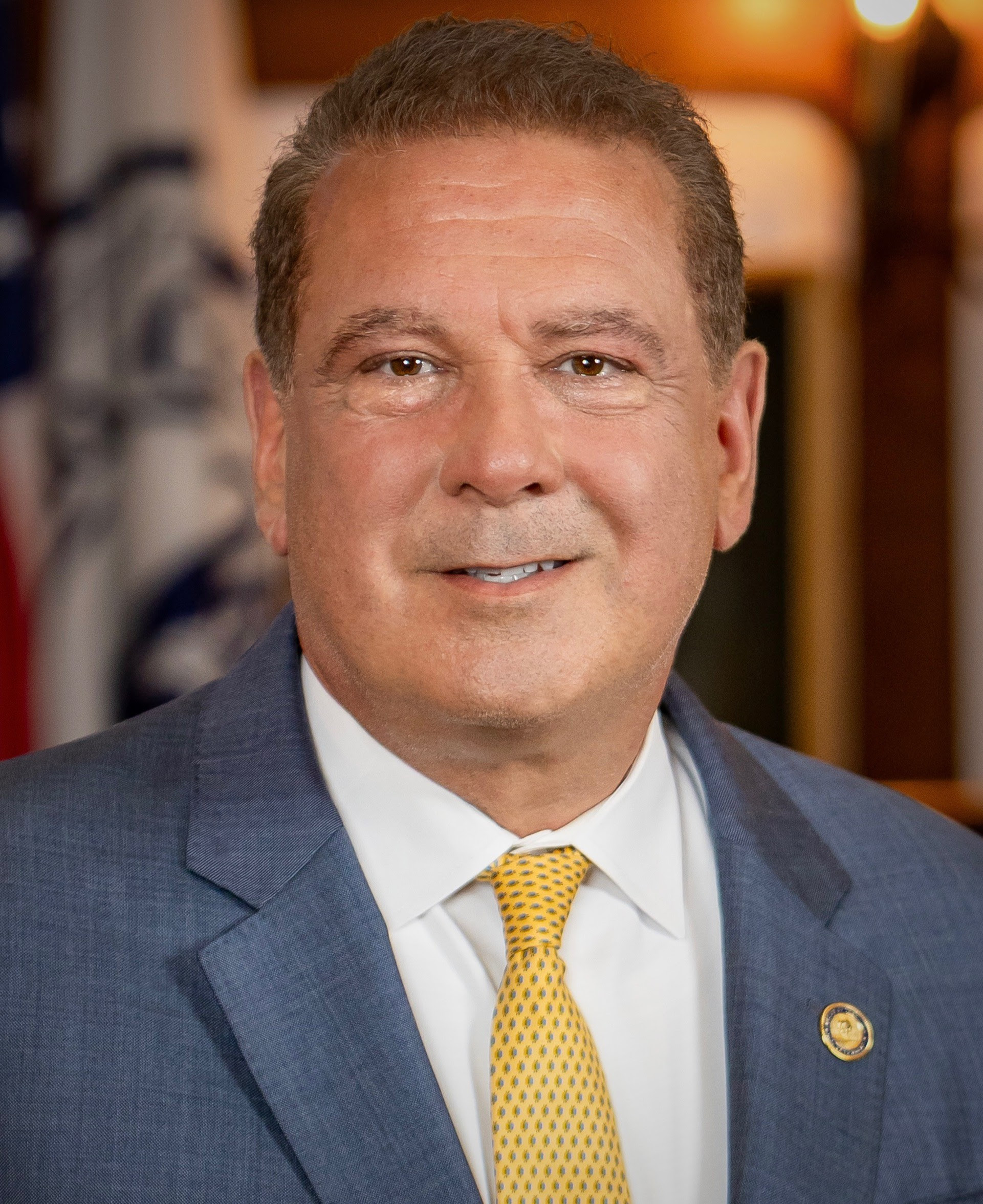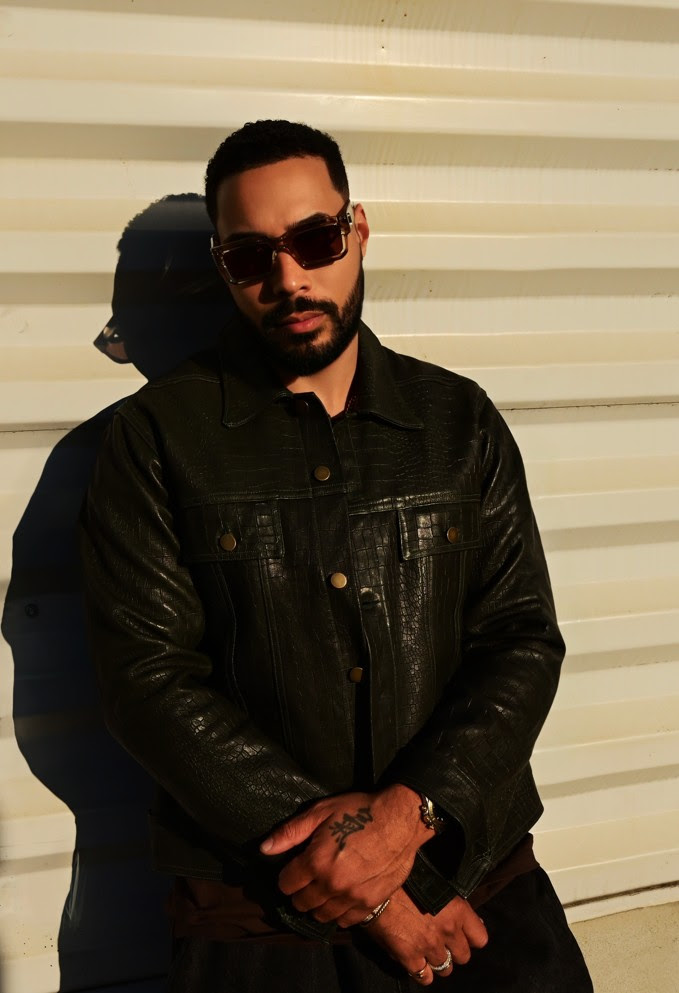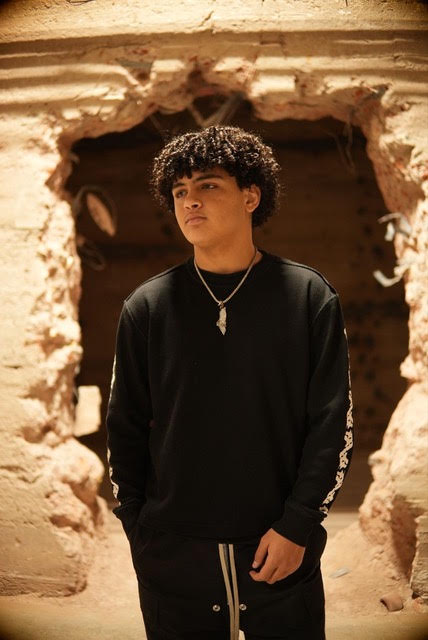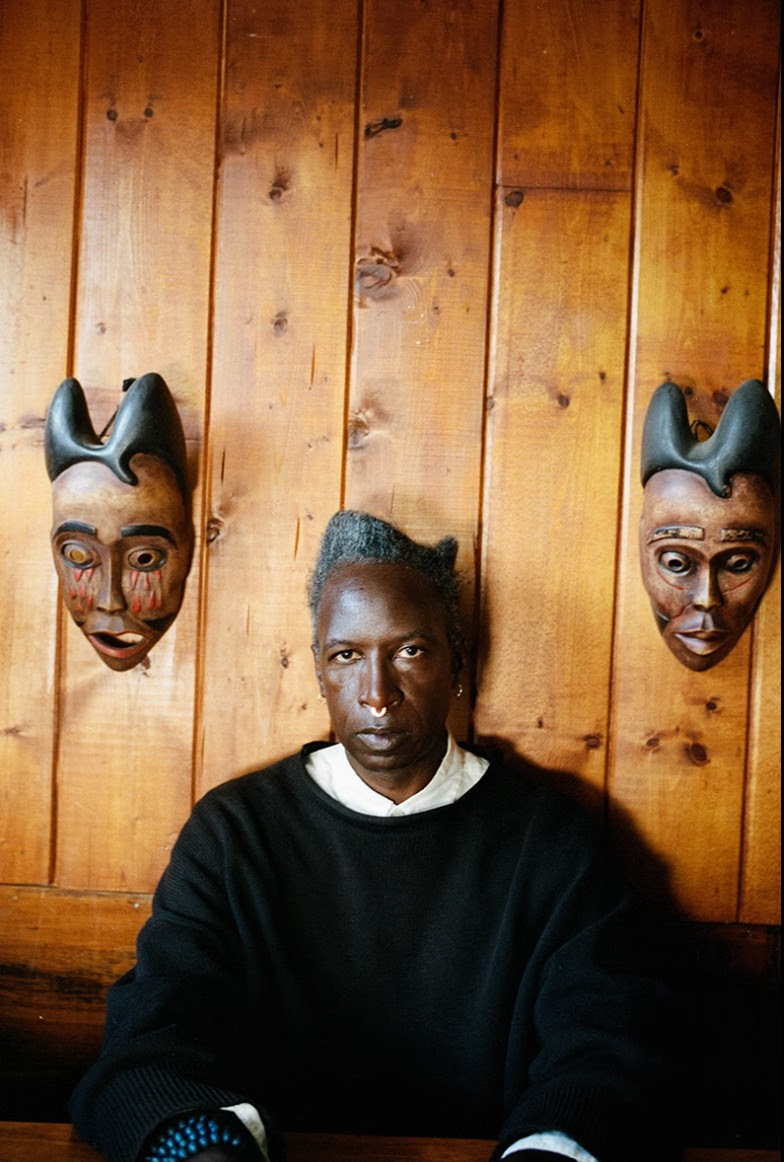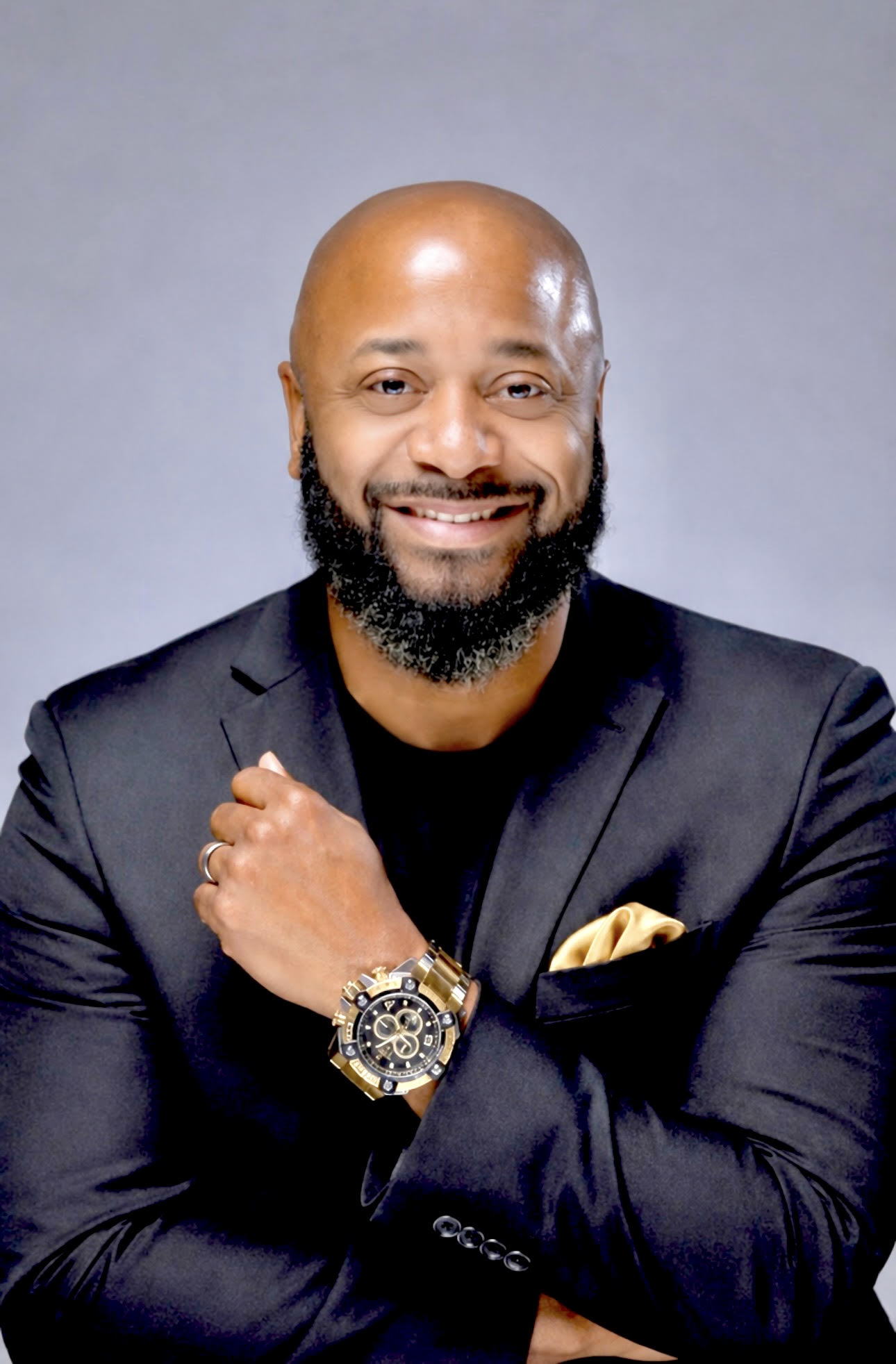
Dr. Christopher Michael Jones is a practical theologian, educator, community advocate, and author who formerly achieved multi-platinum music success as a Hip Hop producer. He is also The Hip Hop Museum’s new Director of Education.
After answering a call to ministry, a journey chronicled in his book A Sacred Storm, the Queens, New York native graduated summa cum laude from Rutgers University, earned a Master of Divinity from Princeton Theological Seminary, completed his Doctor of Ministry at Memphis Theological Seminary, and studied as a Graduate Fellow of Theology at the University of Oxford.
Dr. Jones has taught at institutions including United Theological Seminary, New Brunswick Theological Seminary, and Pillar College, focusing on pastoral leadership, prophetic preaching, and public policy.
The Hip Hop Museum caught up with Dr. Jones to talk about his new role, his experience producing Shaquille O’Neal’s “You Can’t Stop The Reign”, and much more.
Adam Aziz: Can you start off by introducing yourself and tell us what you do with the Museum?
Dr. Christopher Michael Jones: My name is Christopher Michael Jones, professionally known as Dr. Christopher Michael Jones. Also, Hip Hop culture would know me as Chris Large, who’s had the opportunity to produce some of Hip Hop’s most outstanding artists, including Nas, The Notorious B.I.G., and M.O.P. I’m grateful for having shared some historic moments with that kind of talent, which has kind of lent to my appreciation and reverence for Hip Hop culture.
I think those experiences, coupled with my professional and formal training as an educator and as a theologian, have afforded me the opportunity to view Hip Hop and the sustaining of its culture through a very unique and interpretive lens. And if one were to ask me, “Well, you know, what are some of the things that you’re hoping to accomplish at the museum?” under Rocky Bucano’s leadership, I’m hoping that I can lend to the work of establishing The Hip Hop Museum as a global center for Hip Hop education first and foremost. What I mean by that is I think one of my goals would be to help position the museum as one of the world’s leading educational authorities on Hip Hop, where students, educators, scholars, and performing artists, and artists of any sort can engage the culture with a greater sense of intellectual curiosity, authenticity, and seriousness.
Also, I think historical accuracy matters to me, and I think Hip Hop has a certain cultural respect that should be honored and revered in a very serious way. I think preserving Hip Hop’s history is critical. And one of the ways that we can preserve Hip Hop’s history is by allowing the culture to tell its own story rather than have voices that haven’t been a part of the culture, or that speak from the periphery, to create narratives that don’t really speak to the authenticity of Hip Hop.
AA: You were also a producer. How did you come to produce “You Can’t Stop The Reign” with Shaq and Biggie?
DCMJ: I had just finished producing a remix with Funkmaster Flex, M.O.P., D-Nice, Pudgee the Phat Bastard, and Royal Flush. While I was finishing that remix, I got a call from my best friend, Clean Cut Craig, who was already in Orlando helping to conceptualize what the next album would look like for Shaq. He had a copy of a demo tape that I was shopping at the time, and that instrumental was on the tape. And it just so happens when Craig played that instrumental, that particular track, Shaq just pulled over on the side of the highway and said, “Who made this beat, and how can we get him down here right away?” And so Shaq made it happen. He got myself, Biggie, Lil’ Cease, and a few other members from Junior M.A.F.I.A.. We all met at Newark Airport, and we flew down to Shaq’s house, and we made history.
Now, the historical significance of this record, a lot of people don’t know this, is that at the same time that we were making that record, a copy of Tupac’s song “Hit ‘Em Up” was circulating within the industry. It hadn’t reached the marketplace yet. And so we had a copy of that recording in Orlando. And so a lot of people don’t know that Biggie’s first response to “Hit ‘Em Up” is actually on my record.
AA: How did you come to get involved with The Hip Hop Museum?
DCMJ: Well, initially, I was asked to consider donating artifacts from some of my historic studio sessions to the museum. I was invited to do a tour, and after listening to Rocky and his vision for the museum, I was just blown away by the historical significance of the building and what he was hoping to accomplish through its construction and opening.
And then I had a second walkthrough with another partner who was considering supporting the museum in a different capacity. And it was just mentioned to me through a colleague that they were looking for someone perhaps to serve in this capacity. And the thought was, well, you know, you’ve already contributed significantly to the culture as a practitioner, as a producer, and you also are an educator. You lead doctoral programs, you’ve taught students at every grade level possible, why not consider contributing your experiences and your skillset to the institution?
And I always say this to Rocky every time that we connect. I think that The Hip Hop Museum is an endeavor that one can commit their life’s work towards. I think it is that important for the culture; I really do.
So, I just began to envision exhibitions becoming launching points for curriculum, and for workshops, and master classes, and lectures. And as I listened to Rocky and what he was envisioning, and having conversations connecting Hip Hop history to the world and letting the Bronx be the epicenter of that conversation. Because you can’t even have a conversation about Hip Hop without the Bronx being in it, in that conversation—I said, “Yeah, I think this is a work that I would feel proud to partner with.” And that’s what brought me in.
AA: When The Museum opens, what do you hope people who may only have a cursory understanding of Hip Hop get out of it by visiting?
DCMJ: I think there’s something powerful to be said about connecting Hip Hop’s Bronx origins to its global influence, right? Just think about young people in the Bronx learning how impactful that community has been to the world. That is a powerful story.
I think as people come in, they should know that the Bronx must remain central to the story about Hip Hop, because this is where Hip Hop emerged from, from particular social, economic, political, and cultural conditions.
I think people need to know that as they come into the museum and experience the displays and all of the educational experiences, they should know that education can demonstrate how something born from the creativity of black and Latino people and poor people can become one of the most influential cultural movements in modern history.
I want young people to encounter those pioneers. I want them to come to know these persons not simply as historical figures, but as teachers in their own right, who lived experiences that carry invaluable knowledge and, at times, culture-altering influence.
AA: What will it mean to you when you see The Hip Hop Museum open its doors?
DCMJ: I want visitors to leave understanding that Hip Hop is more than something they listen to, watch, or consume. That it’s something that they can actually study, and even interrogate or critique.
Personally, I’m speaking from my soul after speaking from my mind; let me speak from my soul. The very first time that I watched Nas write the lyrics in Green Street Studio for the record I produced for the Street Fighter movie, the first time I saw Nas write those lyrics, go in the booth and do the song in one take, because we only had 12 hours to record and mix that song before we had to turn it over to the executives, because it was the last song for the movie soundtrack. And it was either we were going to hit it, or we were going to miss it. And it was right between his first two albums, right after Illmatic, and right before It Was Written.
And the feeling that I felt watching Nas at his best is the feeling I hope those who visit the museum will walk away with: that they have experienced something that is genius, that is pure, and that is yet unfolding. That is my hope for those who visit the Hip Hop Museum.
Follow Dr. Christopher Michael Jones on Instagram.