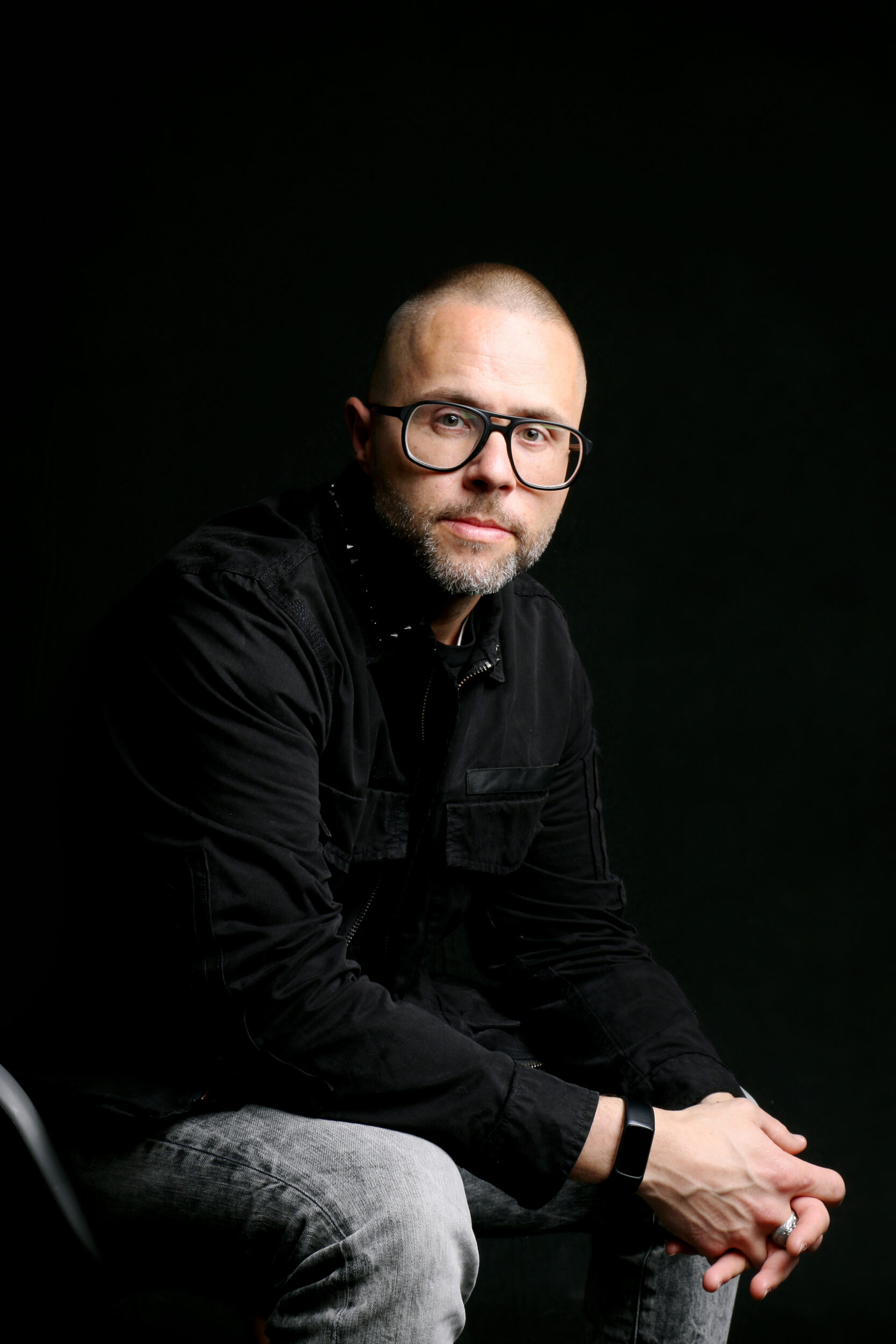
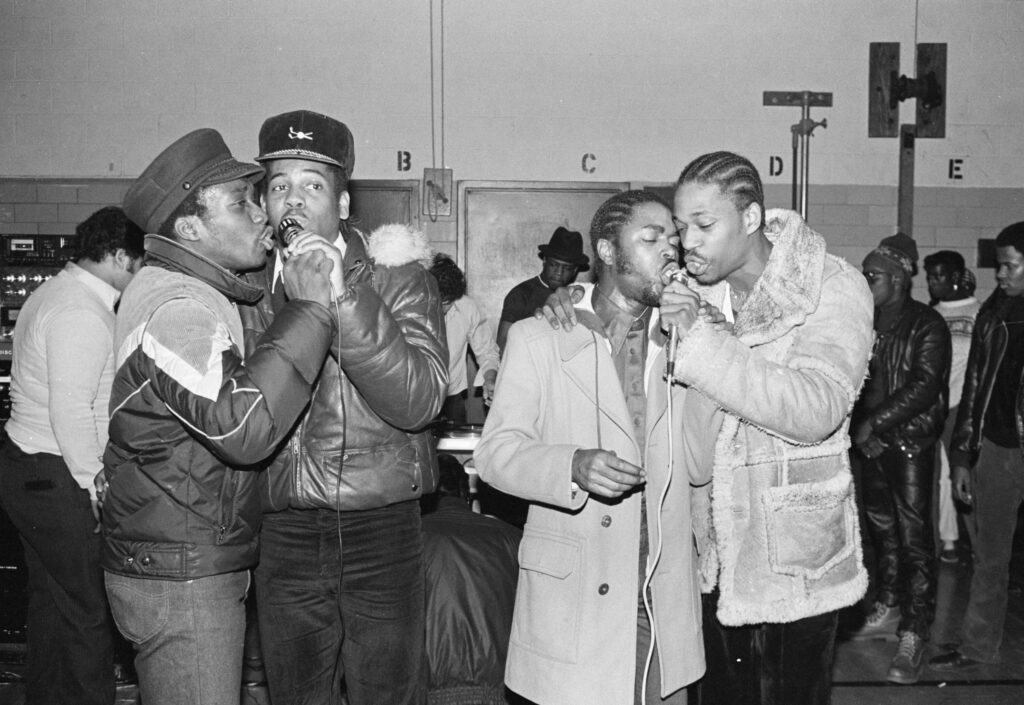
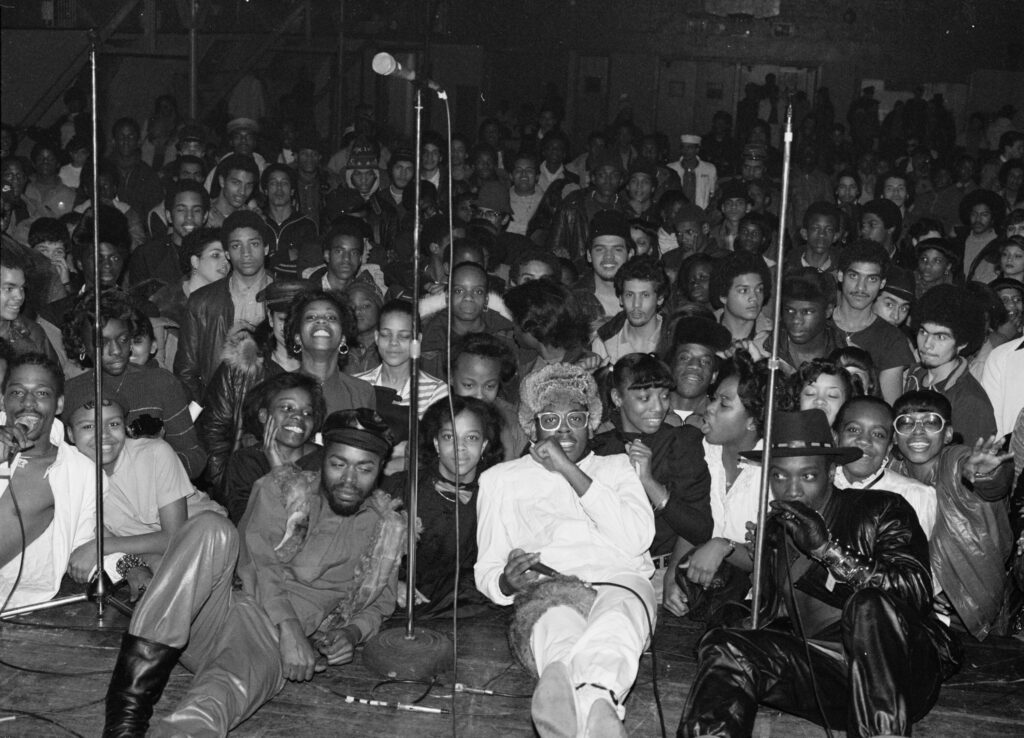
Joe Conzo, famously heralded by The New York Times as “The Man Who Took Hip-Hop’s Baby Pictures,” is a seminal figure in the visual history of American culture. Born and raised in the South Bronx, Conzo was a frontline witness to the emergence of Hip Hop in the late 1970s and early 1980s. As the personal photographer for the legendary Cold Crush Brothers, he captured the raw, unpolished energy of a movement still in its infancy.
His vast archive of over 10,000 negatives is now a permanent fixture of the Cornell University Hip Hop Collection, serving as a vital primary source for scholars and fans alike who wish to understand the grassroots origins of what has since become a global phenomenon.
Joe has also donated 25 incredible digital images to The Hip Hop Museum from his vast archives.
The Hip Hop Museum caught up with Joe to talk about his donation, having a front row seat for Hip Hop’s early years, what The Hip Hop Museum means to him, and more.
Adam Aziz: You’ve been dubbed “the guy that took Hip Hop’s baby pictures.” When you were taking those early photos, could you tell what Hip Hop was about to become?
Joe Conzo: No, I mean listen, 99% of the people involved at the beginning couldn’t foresee it. I’m not going to mention their names. They’re like, yeah, I knew it was going to blow up like this, and I knew it was going to go around the world. I’m like, yeah, right. You’ve never been out of the Bronx.
It was a time when we were all teenagers, just having a good time. We were living for the next Friday or next Saturday. Things changed a little bit when Sugar Hill Gang came along with “Rapper’s Delight.” You would hear it on the radio, but that was a brief moment. It was maybe a year or so after that when other groups started getting on the radio. It was underground radio with Mr. Magic.
But in ‘85, ‘86, when things really started moving, I put down the camera because I was dealing with some personal demons. I was homeless, dealing with substance abuse like a lot of us were at the time. But I had already amassed a body of work of over 10,000 photos.
AA: While you couldn’t have predicted that Hip Hop would become a global phenomenon, could you sense that you and your peers were creating something significant?
JC: The jams were special. Before it was called Hip Hop, we were having these jams in high school. Prior to that, we had what we call block parties, where community centres would block off the streets, play music, play games, serve food, and stuff. So those were the neighbourhood get-togethers at the time, but it grew from there.
When there was a jam at South Bronx High School, Cold Crush would be playing—Tony Tone and Easy A.D. performed. As their popularity grew, I joined the band as their personal photographer.
AA: You donated some amazing digital images to The Hip Hop Museum. About 30 of them. Are there a few that stand out for you?
JC: The majority are the Cold Crush and the urban landscape. The birth of the culture came from urban decay. Some of those images are of abandoned buildings and landscapes. Those were our playgrounds growing up. People from the outside saw devastation, but we made the best of it.
AA: How do you reconcile that Hip Hop today doesn’t really celebrate making the best of things, but rather in many ways represents the opposite of what you said?
JC: That’s because it’s very commercialized now. It’s about streaming numbers. When rap music first started, it was about “don’t push me, ’cause I’m close to the edge.” It was the life of a kid in the Bronx or Harlem. It spoke about what we were going through as teenagers. And then it became commercialized.
AA: What do you make of what Hip Hop culture has become today?
JC: I’m still Hip Hop. I’m a 63-year-old man who still wears Nikes and Lee jackets. But I look good in a suit and tie, which was my life for the last eight years of my city service. I was the Vice-President of the Fire Department Union.
AA: You had a harrowing experience on 9/11. We know how the world changed that day, but how did New York City change that day?
JC: It brought us together. It brought the country together. You don’t see much togetherness today because of all the division we have.
Long story short, I responded in my ambulance that day, and the building fell on top of me. I did three years of counseling because I had what’s called survivor’s guilt. Why was I still alive, and 3,000 people died? If you ran left, you lived; if you ran right, you died.
It wasn’t until six months after I retired in 2018 that I got diagnosed with liver and pancreatic cancer from 9/11. I’ve been in remission now for six years.
AA: Thanks for sharing that. I’m so glad you’re in remission and doing well. Who were some of your favorite MCs back in the day?
JC: I’m biased. It’s Grandmaster Caz, Melle Mel, and Kool Moe Dee. I like Nas, Common, and Mos Def. But I’m going to keep it honest with you, Adam, I love House. I’m a House head. I just don’t listen to today’s rap music. It’s just not my style anymore, especially growing up in the beginning of it, where rappers would rap about your day-to-day life, and you could relate. I just can’t relate to it now.

AA: What did you think the first time you heard they were building a Hip Hop Museum?
JC: I’ve been down with The Museum since day one, when we were trying to get a building, whether it was an abandoned courthouse or armory, to where we are now. I’m excited and looking forward to continuing my work with them.
AA: When The Hip Hop Museum opens, what do you want the younger generation to take away when they walk through the Museum?
JC: I need the younger generation to be exposed to the humble beginnings. I need the younger generation to hear Grandmaster Caz talk. To hear a Joe Conzo talk. To have a chance to talk to the brick layers of this Hip Hop thing.
It would be amazing to have a Chuck D or LL in there speaking about culture and history. We’re not going to be around forever, so interviews like this matter—they’ll live on for future generations.
AA: What are you most looking forward to seeing inside the Museum when it opens?
JC: The representation of the visual arts. I’m not taking away from the MCs or graf artists, but when I speak at schools, I tell the students to close their eyes and ask, “What are you seeing?” They say nothing. And I say open your eyes. That’s what I bring – the visuals. Because if you take away the visuals from people like me, Ernie Paniccioli, and Jonathan Mannion, you have nothing. The visual artist plays an important role.
AA: What do you think the future of Hip Hop culture is?
JC: It’s not going anywhere. It’s just going to keep growing. I’d like to see it circle back to its roots.
Recently, I got a text message from someone in Taiwan who wanted to buy my book. I told him shipping would cost more than the book itself. He just said, “I don’t care, Joe.” Moments like that are priceless to me.
Follow Joe Conzo on Instagram.