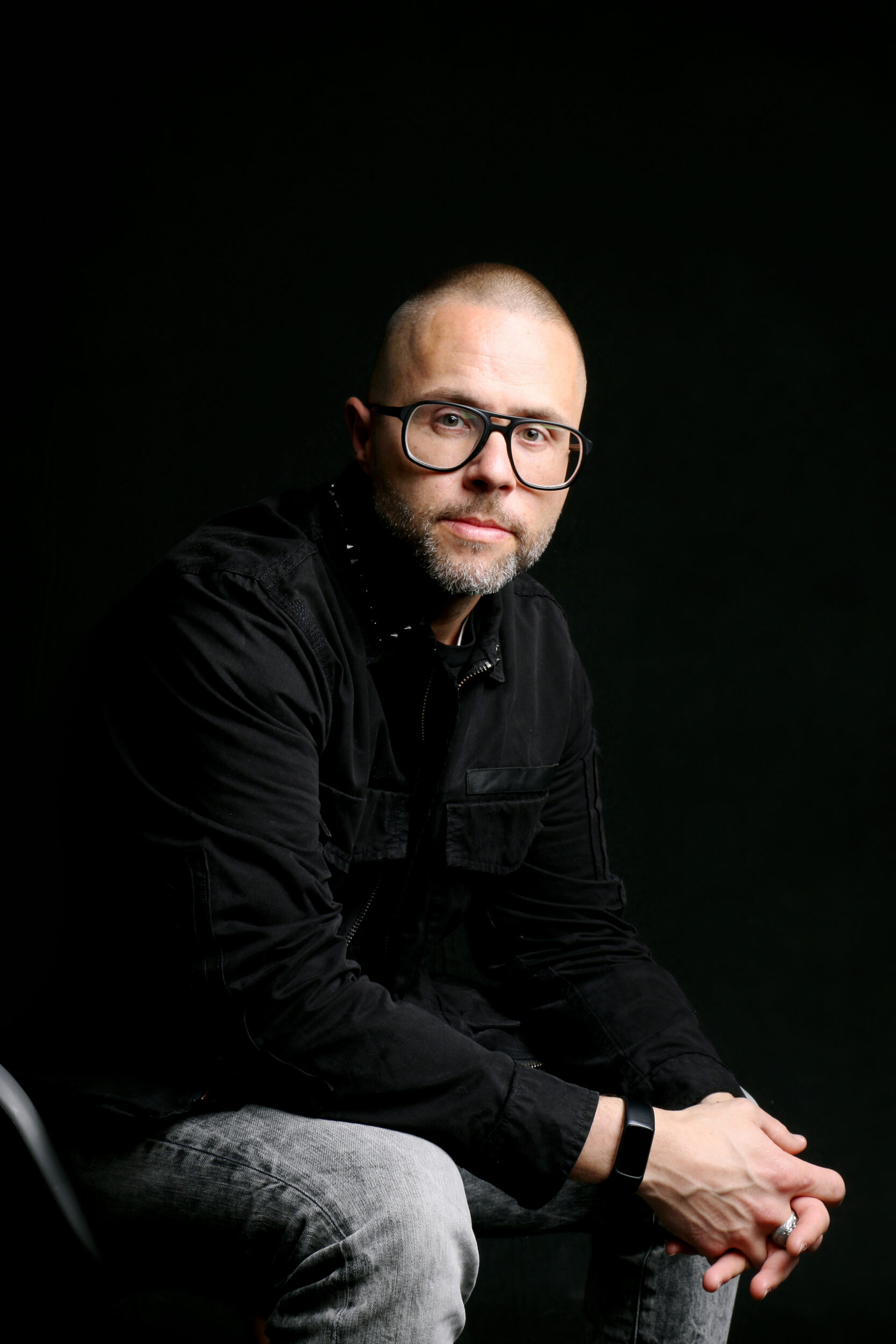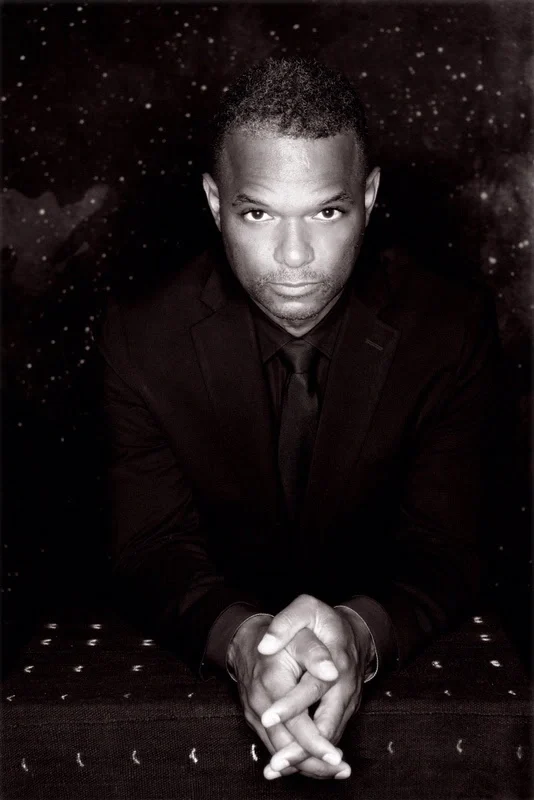
Miles Marshall Lewis is a recognized pop culture critic, essayist, literary editor, fiction writer, and music journalist. He is the author of the cultural biography Promise That You Will Sing About Me: The Power and Poetry of Kendrick Lamar; There’s a Riot Goin’ On, a book on the making of the seminal 1971 Sly and the Family Stone album of the same name; a memoir about growing up with Hip Hop in the Bronx, Scars of the Soul Are Why Kids Wear Bandages When They Don’t Have Bruises; and an upcoming book on the life and comedy of Dave Chappelle. He is also the former series editor and founder of Bronx Biannual, an urbane urban literary journal of fiction and essays.
The Hip Hop Museum caught up with Miles to talk about his role with The Museum, his view of Hip Hop culture today, and much more.
Adam Aziz: Can you start by introducing yourself and telling us what you do with the Museum?
Miles Marshall Lewis: My position at The Hip Hop Museum is Cultural Historian. Historians at museums generally help get the facts straight with what museums present to the public, through research and their own knowledge of the field. My role involves making sure that different regions and eras of Hip Hop are equally represented; that we do a certain amount of myth-busting about regurgitated stories that aren’t 100 percent true; that the history of each Hip Hop element gets its day in the sun; that different unsung heroes of emceeing, art, dance and deejaying have their stories told. I also conduct interviews with Hip Hop pioneers that’ll eventually be available on touchscreens throughout the museum. That’s some of the major stuff.
AA: How did you come to get involved with The Museum?
MML: The Museum first reached out some years ago to gauge my interest in writing the memoir of one of the culture’s all-time respected pioneers. Even at that point, I had an eye on The Museum’s progress. As a writer and cultural critic for decades, my wheelhouse has always been the arts. Music, film, theater, literature, dance. Black culture, definitely Hip Hop culture. So I always had the evolution of The Hip Hop Museum in the corner of my eye. I’d written about their pop-up exhibit, “[R]Evolution of Hip Hop,” two years ago. I reached back out to The Museum last summer to start a dialogue about getting involved and joined the staff in August.
AA: What has been your favorite moment so far working with The Museum?
MML: Being part of bringing The Hip Hop Museum into reality has been the best experience so far. Combining different designs and plans for the space with The Museum spatial narrative I’m assisting to write, that’s all a new experience and kind of a dream job. Being partially responsible for the words on the walls and the layout of the halls feels like writing a magazine cover story in 3D that visitors worldwide will be walking through for years.
AA: For people who will visit the Museum and may only have a cursory understanding of Hip Hop, what do you hope they get out of the experience?
MML: In its over 50 years of existence, Hip Hop has affected so many areas of everyday life outside of just music or the celebrity rappers we pay attention to. Considering the culture’s influence on fashion, artwork, language, social justice and more, I’d want visitors to come away with an understanding that we’re all Hip Hop in a way, and why that is.
AA: What is your view of Hip Hop culture today?
MML: That can be a loaded question. [laughs] My son listens to Lil Tecca, YNW Melly, NLE Choppa and others who aren’t going out of their way to appeal to a teenager’s dad. The squeal of Robert McCollough’s sampled sax on Public Enemy’s “Rebel Without a Pause” wasn’t something my father loved either. [laughs] But I did teach an NYU course on Kendrick Lamar before the pandemic, interviewed him and released a book about him in 2021. There are modern MCs I love, most of them female. That’s rap music.
As far as my view of Hip Hop culture nowadays, it’s harder to say. Spaces that group all four elements of Hip Hop together often feel overly nostalgic or retro to me. I think The Hip Hop Museum can help present the totality of the culture in a way that feels modern and engages with younger energy. The culture is a living, breathing, evolving thing. It shouldn’t be embalmed mausoleum style with name-plate belt buckles and fat-lace suede Pumas. The Hip Hop Museum will definitely steer clear of that kind of presentation.
AA: What will it mean to you when The Hip Hop Museum opens its doors?
MML: Ever since the 1990s, I’ve been a historian or a curator of Black culture the entire time. Though it isn’t even open yet, The Hip Hop Museum feels like a place where I’d gladly retire in the 2030s and accept my gold watch. [laughs] There’s so much potential there, from conducting onstage interviews in our theater to podcasting and other surprise tricks up our sleeve. When we open up to the public, I look forward to standing head and shoulders with The Studio Museum in Harlem, the Whitney Museum and everyone else. Raised in the Bronx, I’ve grown up with this culture and helped it survive by being an active participant, like so many of us. For The Hip Hop Museum to become a home base for the culture will be a moving moment.