Few Hip Hop catalogs carry the cultural weight or sonic diversity of JAŸ-Z’s discography. Over a career spanning more than three decades, his albums have served as a masterclass in musical curation, acting as the ultimate canvas for the genre’s most brilliant sonic architects. Rather than relying on a single signature sound, he has consistently challenged the industry’s premier trackmasters to push past their creative boundaries, turning luxury loops, gritty soul samples, and minimalist boom-bap into the backdrops for his legendary storytelling. To analyze the hands behind his music is to trace the evolution of Hip Hop production itself.
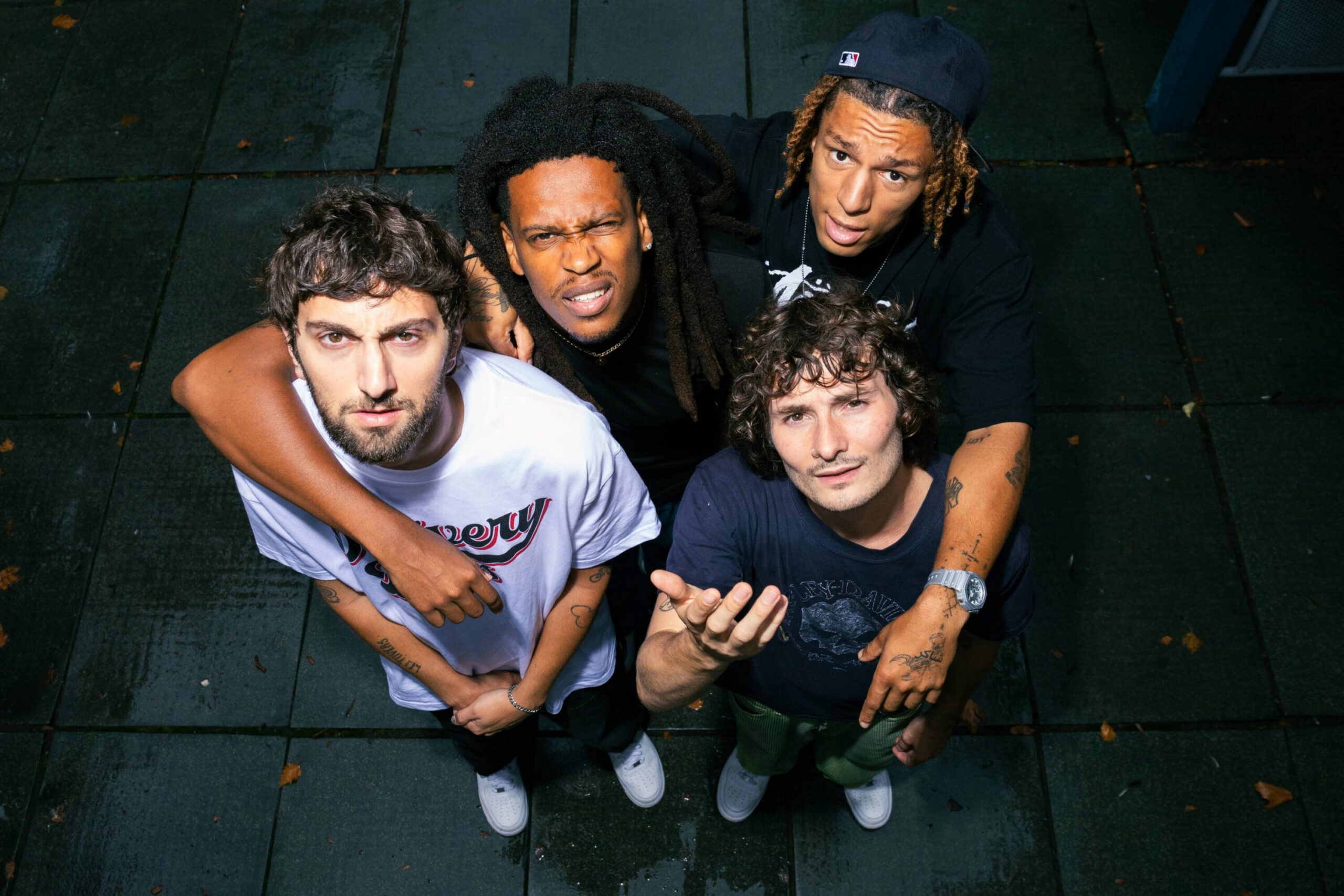
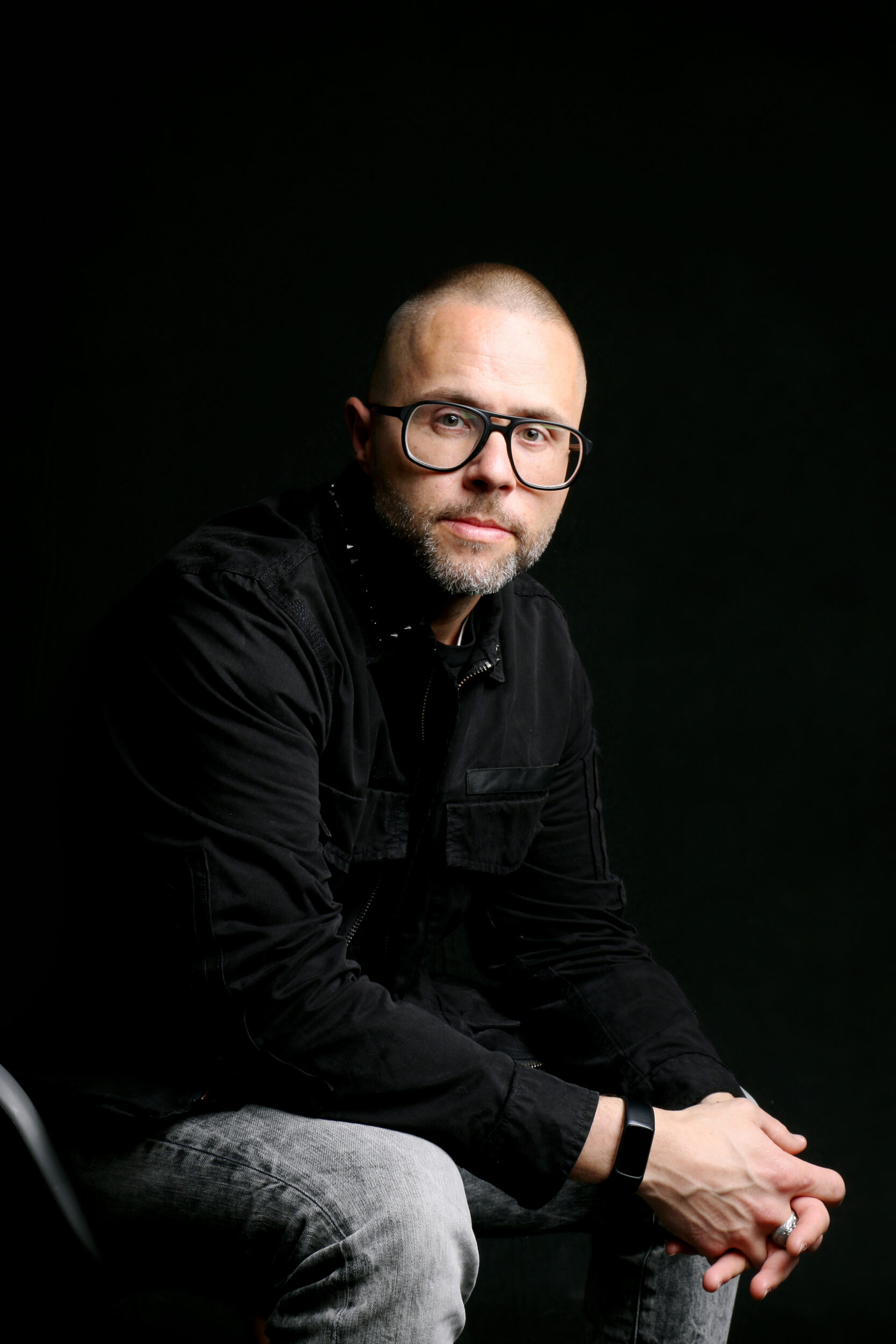
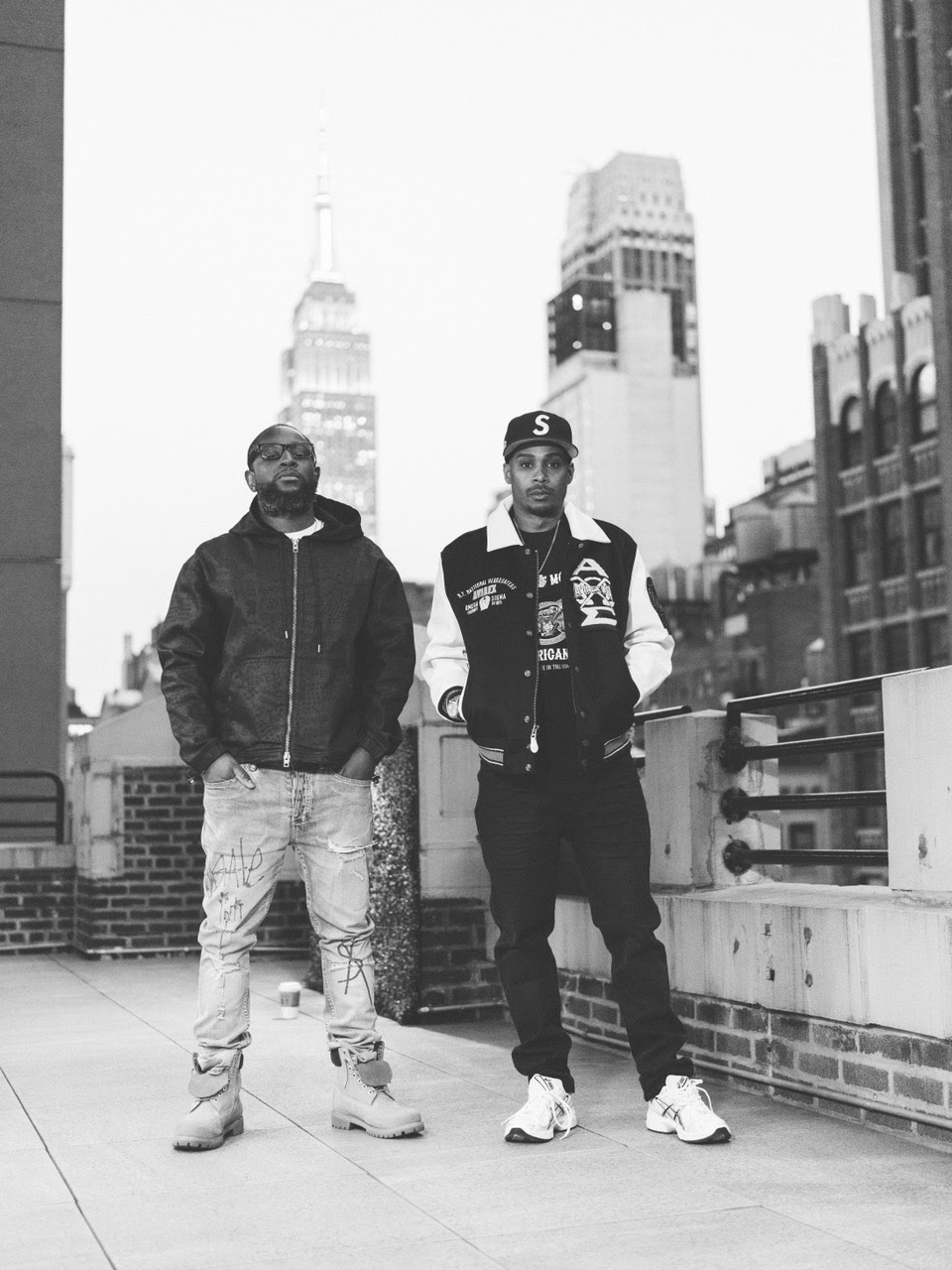
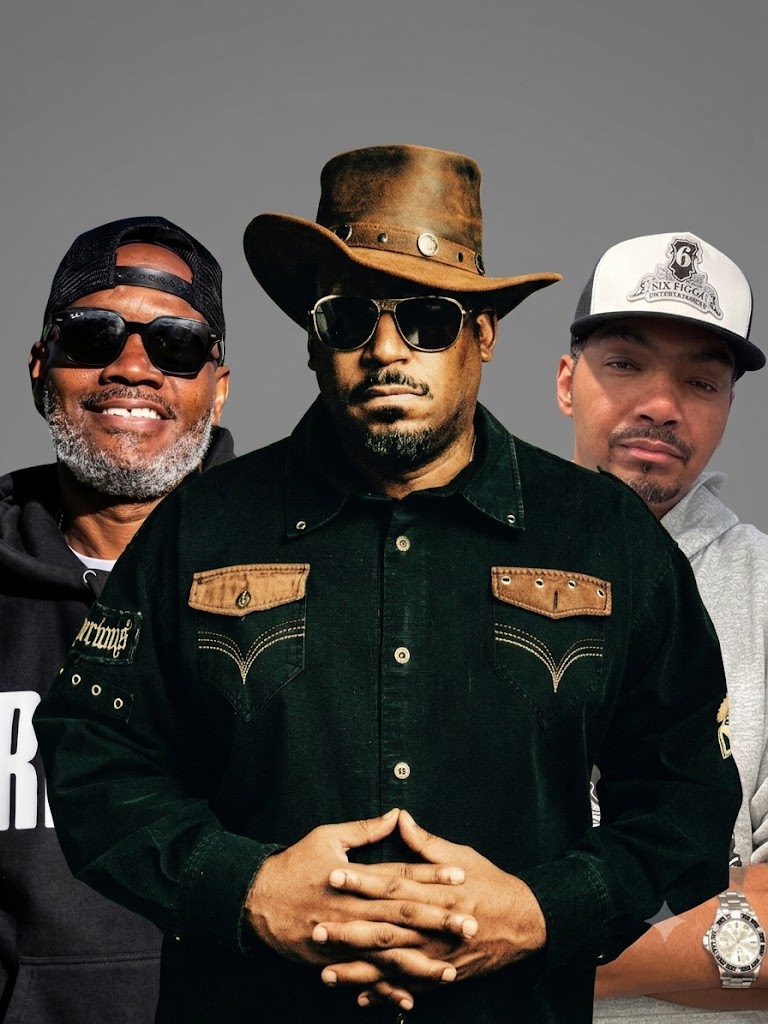
The Hip Hop Museum caught up with three of the culture’s premier producers to discuss their work with JAŸ-Z, each connecting with Jay at different pivotal moments of his career.
We talked to Darrell “Six Figga Digga” Branch about the uniqueness of working with Jay while being an in-house producer for Untertainment, beats that went to Jay that were originally for other artists, and more.
Mark Batson tells The Hip Hop Museum about the Dr. Dre and JAŸ-Z album that almost was (and what the album was called), why ‘Kingdom Come’ will be appreciated years down the road, Jay’s ability to write from other perspectives, and more.
Sean C talks about refocusing Jay on his ‘American Gangster’ album, Jay’s writing and recording process, getting paid for “Can’t Knock The Hustle” in a shoebox full of cash, and more.
Darrell “Digga” Branch AKA “Six Figga Digga” – Producer and Writer on JAŸ-Z’s ‘Vol. 3…Life and Times of S. Carter’ and ‘The Blueprint 2: The Gift & The Curse’ albums.
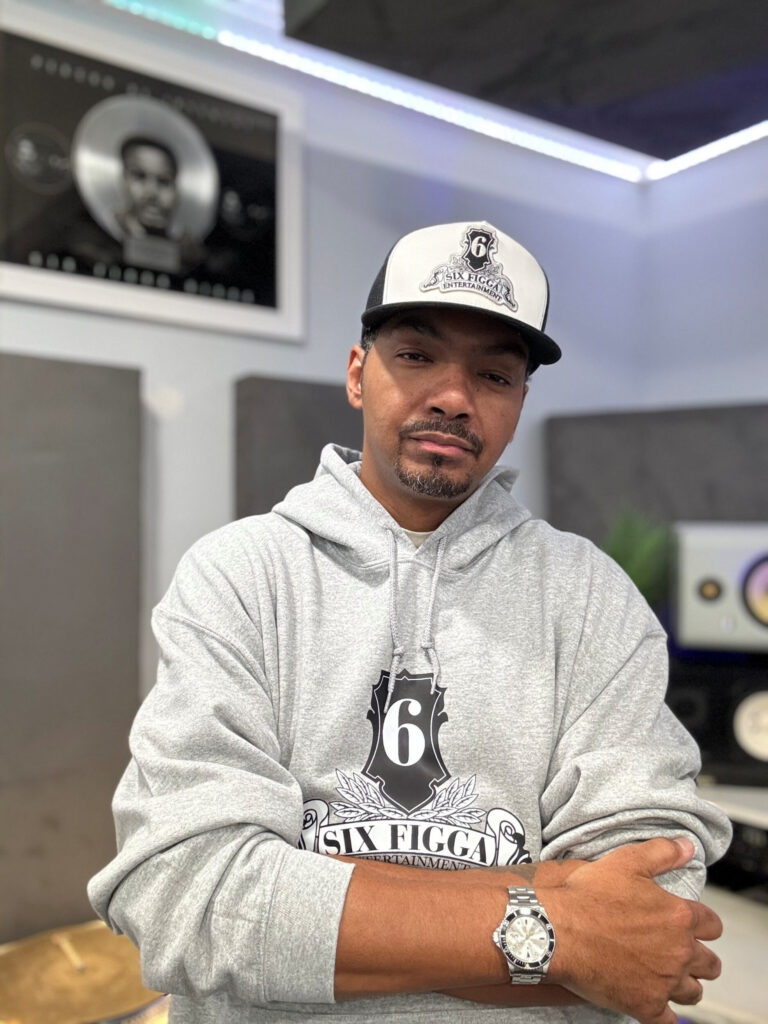
Adam Aziz: To start, you worked on what I think is one of Hov’s best-put-together records, “Dopeman.” Any interesting stories behind the making of that record?
Digga: That track started out being for a Cam’ron record called “D’rugs Part 2.”
The A&R Hip Hop (Kyambo Joshua) had heard the track on a mixtape, and he called me and said I need a copy of that to give to Jay. So that’s how the track got to Jay.
I wasn’t in the studio when he recorded the track, but we were communicating on two-way pagers. “Hip Hop” was keeping me updated, and it was going to be this big thing because he had caught the charges for stabbing Lance “Un” Rivera. I was a producer for Untertainment at the time, working for “Un,” and I was producing the track where he is addressing the situation.
Then at the end we ran into a snag with the sample.
AA: What was the sample?
Digga: I forget the name but it was a record by Neil Diamond. That’s when at the last minute DJ Clue and Duro came in because they had a guy that was good at playing keys and he interpolated the sample.
AA: Another track you produced for Jay is “What They Gonna Do Part 2.”
Digga: That track was originally for Method Man. That track was on the same beat CD that the beat for Young Gunz “Can’t Stop, Won’t Stop” was on.
AA: Through your work with JAŸ-Z, is there anything you learned or picked up from him?
Digga: I’ve been in the studio when he was working on other records, and as an artist, he really hears the music. I saw him literally sitting there for hours listening to a beat, and then he got up, went into the booth and spit the song. I’ve seen him do it.
AA: Why do you think Jay has been able to remain so relevant musically after all these years?
Digga: It might sound cliché, but by just being true to himself. I heard him say in an interview that he pretty much tells you his advice is to make the music that you want to make, so that you won’t regret it.
He has so much music, and you know I may not like all of it, but that’s the point. That’s how he can last so long because he’s using the art, and that might not be for me. I might go back to some of his stuff later on and appreciate it in a different way. I take that advice as well. I always try to be me. I’m in my 30th year of doing this.
Follow Digga on Instagram.
Mark Batson – Producer and Writer on JAŸ-Z’s ‘Kingdom Come’ album.
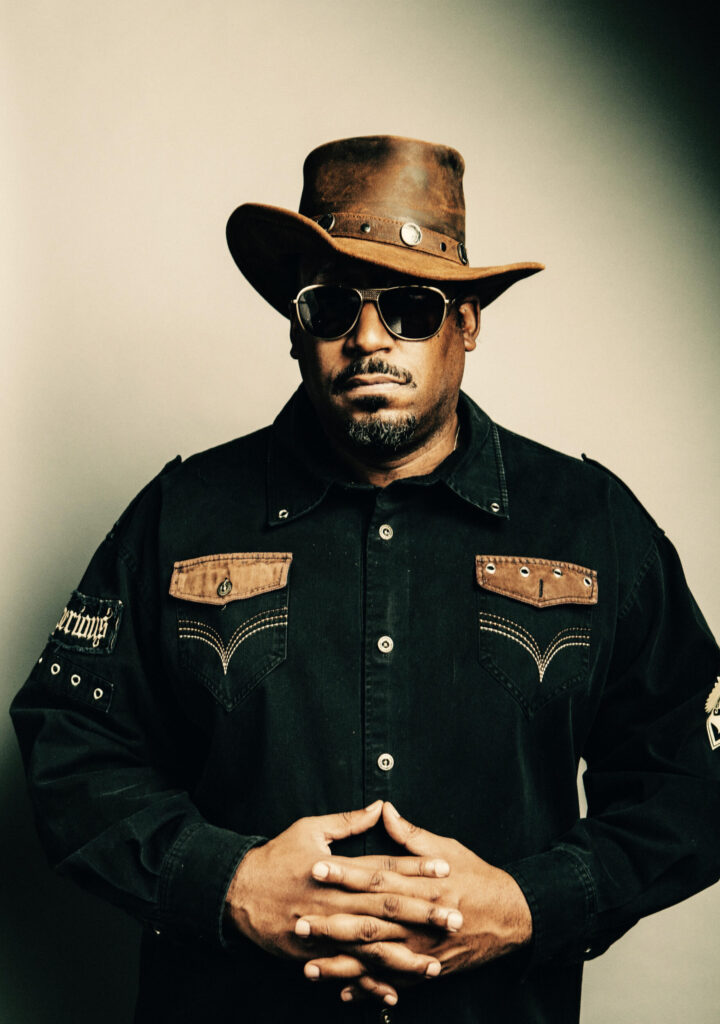
Adam Aziz: Your work is all over Jay’s ‘Kingdom Come’ album. How did you come to work on the project?
Mark Batson: During the time, me and Dr. Dre had worked on a lot of projects together. And we were working specifically at that time on ‘Detox’ which has existed in various forms. And we were making tracks, and we were sending tracks over to Jay to write to.
There are now in existence, I think maybe four or five ‘Detox’ records where Jay had wrote for Dre. So he was really enjoying the beats and what we were doing and what it sounded like. And then, they agreed that they would make a joint album together. It was going to be a Dre and JAŸ-Z album together if they could both find the right time in the schedule to do it.
And the album was to be called ‘Thrillah’ but it was spelled T-H-R-I-L-L-A-H.
AA: Wow. I don’t think I’ve ever heard anyone mention the name of the album before.
MB: We were just cutting records at that time, going back and forth. And then Jay, at that point, he was making his album. We never got to the point where schedules could align to definitively carve out an album. But he did manage to write a certain amount of songs, which I think are classic songs.
A lot of people consider ‘Kingdom Come’ to be low on the Jay album scale. They rate it low, but I always ask: how could an album be rated low with so many classic songs on it? Like, how many albums have so many classic, quotable songs? Like, how many times have you heard people say “make another HOV,” you know what I mean? How many albums have a quotable line like that that’s a part of the pantheon of Hip Hop culture?
There’s another one—the one where he talks about 50 [Cent], and he says, “You know I’m afraid of the future. Y’all respect the ones who got shot. I respect the shooter.” I see that on people’s t-shirts.
I guess there are some songs on the album that people don’t really care for, but I feel like the songs that we made are classic, timeless songs. I think for me personally, “Lost One” is my favorite song that I ever recorded with JAŸ-Z. I think the most spectacular thing about that is the piano line has some kind of Duke Ellington influence to it. So, for me, I see it like me doing like a jazz, Duke Ellington-type riff combined with Dr. Dre drums and Jay spitting a vocal.
And I think that that’s the most emotional lyric he ever recorded. It’s his most fragile and emotional lyric that he’s ever recorded on any album before. I mean, by the third verse, he’s almost crying on the song there. I don’t think even on “Song Cry” he’s crying.
AA: I agree. Even on ‘4:44’ I don’t consider some of those records as being as emotionally charged as “Lost One.”
MB: I think ‘Kingdom Come’ is the precursor to ‘4:44.’
AA: You talked about it before, but why do you think ‘Kingdom Come’ is almost universally ranked low by people in Jay’s discography?
MB: There are some songs that stick out to people as songs they really do not like. But at the same time, I think the criticism, the intrinsic criticism, is the same criticism that goes to Kendrick’s ‘Mr. Morale & The Big Steppers.’ That this is adult conversations. This is not “12 a.m. I’m in the club.” You know what I’m saying? This ain’t like “3 a.m. I’m kicking her out.” This is not what this is anymore.
All the rhymes on “30 Something.” It’s not “we in the club, we got bottles, and we got chains on.” It’s the first album he makes that steps totally outside of that and gets to a therapeutic context. Maybe not as intense as ‘Mr. Morale’ because I think Kendrick really pushes that, but a lot of people feel that ‘Mr. Morale’ is Kendrick’s—that’s the album they [didn’t like] because it’s not bopping like that, it don’t have the beats.
And I think that adult, grown, “we’re looking at things differently” kind of context—it does fall in that category of albums where, in the long run, those records will last the longest. I think ‘Mr. Morale’, you know, 20 years from now will be considered to be one of Kendrick’s greatest albums. And I think 20 years from now, at some point, ‘Kingdom Come’ will rise up that ladder over some other albums that don’t have as many memorable songs, that don’t have as many memorable lines.
AA: Did you work in the studio with Jay on any of these records?
MB: I did not meet Jay until long after that album was made. I met him, I want to say, 15 years later after that album was cut. But the interesting thing about it was we grew up so close together. When I was in high school, one of my friends from my projects—we lived in Bushwick—he shot and killed somebody who lived in Marcy. So there was a little beef between Bushwick and Marcy, being we’re the next-door projects to each other. You walk through Bushwick, and then you walk down Flushing Avenue about a mile or so, and then Marcy is the next series of big projects. So we’re literally that close together.
So I had kind of beef with them and another person who lived in that project. So when I went to school, my train that I had to take—the G train—was in Marcy. So I had to walk to Marcy to go. So there was an uncomfortableness I had with him and his friends all that time. And we never worked directly together.
But we did write a song together for one of the artists through Gee Roberson. Gee Roberson had hooked us up to write a song, but we still had not met. And then when he was finally introduced to me when the song is cut and they’re like, “Yo, the dude who played the piano—that’s piano dude from Bushwick.” And they said he teared up, got emotional about that for a second because of how emotional the record was and how somehow—not even knowing him or connecting—that music has somehow brought that emotion out of him.
Dre always tells me when he first heard the piano on “Lost One,” his first reaction was like, “What is that?”
AA: During the time you were working on the Jay records with Dre, is there anything that you learned about Jay as an artist that really stood out for you?
MB: During that time, we were writing for ‘Detox.’ And so there are a number of JAŸ-Z-written ‘Detox’ songs. He has an amazing ability to write from somebody else’s perspective and become them. I think the epitome of that is when you hear him saying, “still rock the khakis with the cuff and the crease.” Like, how do you write from that perspective so well to make such an eloquent line that’s in the hook? That line is so “LA-written,” and he has that ability that people don’t really know because he’s so busy being JAŸ-Z.
Jay studies other people; he is is the amalgamation of styles. When you hear “Girls, Girls, Girls,” everybody on the hook is somebody who he’s influenced by. You can hear every style that comes on that hook, everybody who appears on it. I think it’s Q-Tip, I think Biz Markie, and Slick Rick, right?
He’s highly influenced and he takes little pieces of that to become him. And at some point, he could turn around and then write from the other person’s perspective and nail it. And there were records that he wrote for ‘Detox’ that I thought were just fantastic.
Follow Mark Batson on Instagram.
Sean C – Producer on JAŸ-Z’s ‘American Gangster’ album
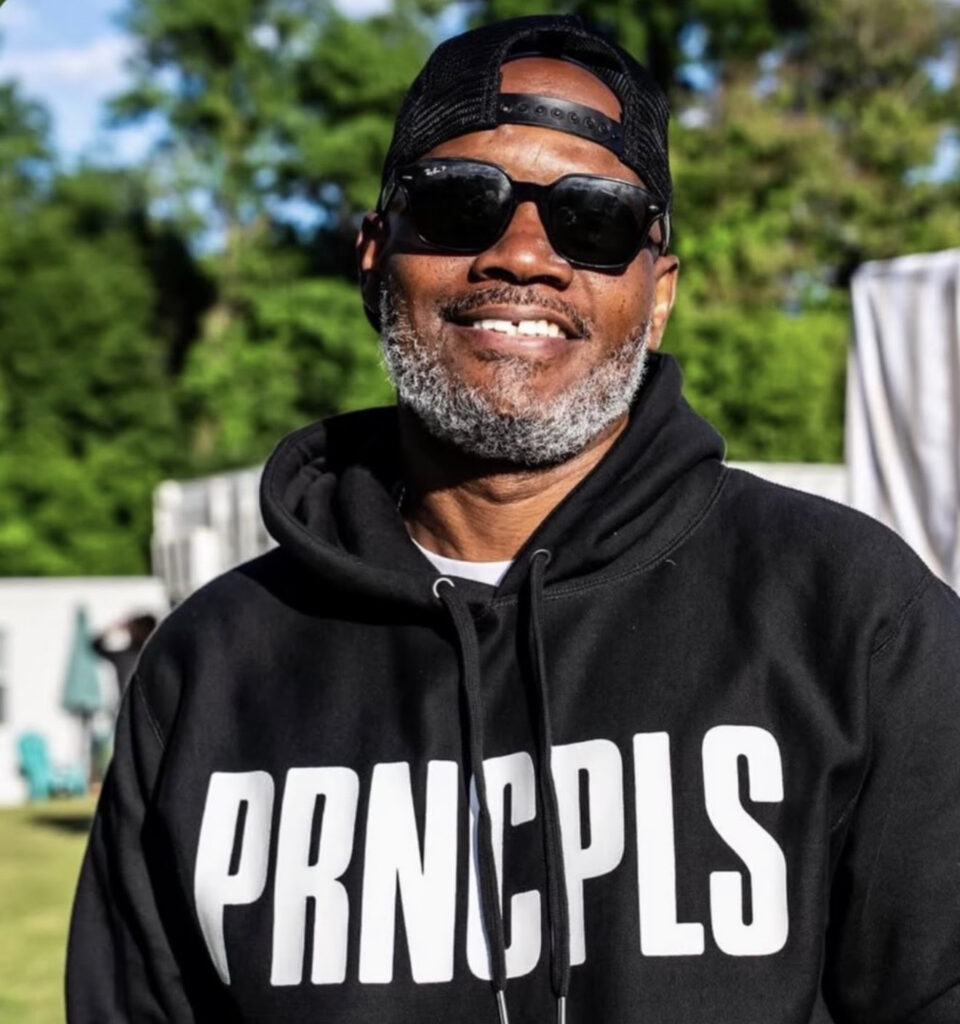
AA: ‘American Gangster’ is almost universally loved but stands out as unique in Jay’s catalog. What do you think makes the album stick out like a sore thumb, in a good way?
Sean C: I think it was the timing. It came after ‘Kingdom Come’ and was kind of of a return to a more grounded Jay sound that had the soul elements like, you know, ‘Blueprint’, it was related to that in a way, but because it was really based on ’70s Harlem culture, that’s what kind of, I think, made it a little bit different than what those other records were.
I think it was more about the timing of when it came out. Like, people wanted to hear him rap over these more rounded, warm kind of kind of beats, you know?
AA: Was it a conscious decision when you were in the studio working with Puff, LV, and Jay to go in a completely opposite direction from what ‘Kingdom Come’ had been?
Sean C: No, we were told that he wanted all of the soul beats. You know, like, he wants samples. He wants to use samples, and when we got tasked to do it, no one told us that it was based on a movie. We didn’t know. I didn’t know that it was based around the ‘American Gangster’ movie or anything.
When we first started giving Jay beats, it was stuff that we were already doing, you know what I mean? Like the sound, that’s kind of why Puff was like, “Yo, I want to fuck with y’all. I want to work with y’all on this because this is what he’s asking for. I ran into him in Saint-Tropez, and he wants me to oversee his new record.”
It was top-secret. That was all we knew. And then as it went on, and he first started coming to the studio, the first beat we played was “Sweet,” and he stood up like, “What the? Like, this is exactly what I was looking for. How did y’all know?”
So that was the first beat he picked, and it was the first beat we played.
And then we played “No Hook.” And we played a couple of other beats, and he stayed there for probably about two hours. And he actually ended up going in the booth and doing a record that didn’t end up making the the album.
We went to go see the movie, and then we knew what it was and we had a copy of the movie playing throughout the studio while we were making beats.
AA: What was it like working in the studio with Jay? Is it difficult as a producer, given he’s going off the dome with his lyrics? Is there a lot of rearranging happening on the fly?
Sean C: He took the beat CD back to Roc the Mic Studios, which was his studio at the time, and laid the vocals there. Everything was kept very tight. It was really like one day we’d be making beats, the next day he would come to the studio, hear whatever new beat we made, take that back to Roc the Mic, and then the next day, the same thing, and we would add to that, he would take that back, add some, you know, sometimes he would change things.
Like with “Roc Boys,” after we added all of the horns and all that stuff, he went back and did the superhero music thing that he said at the end and all of that type of stuff. All of that was in there. Actually, I think the superhero thing, if I’m not mistaken, when we were mixing that, uh, ’cause he did some other ad-libs and stuff after, that might have been muted, and I might have unmuted it, and the beat actually ended up right there. Like it wasn’t like, you know how the song ends with just the horn? Like that was kind of like happenstance, you know what I mean? Like it just happened to fall that way, where it stopped, and he said that.
We did that album in less than a month.
AA: That’s pretty surprising since it’s such a complex album musically and lyrically.
Sean C: Yeah, it was, but it was that thing where we were able to kind of simultaneously, he works in Roc the Mic, and we work at Daddy’s House, adding to the music while he’s doing his vocals, you know? The only time that I’d say he was actually with us was the first day when we all sat down and he heard that beat, and he was just sitting there sitting in a chair writing in his head, you know, just mumbling. And then he’s mumbling, and he’s like, “Yo, turn the mic on.” Cuz he’s like, “Play that beat back again. Play that beat back again. Play that” and then he’s like, “Turn the mic on.” He went in and just did a whole song.
AA: ‘American Gangster’ isn’t always in the conversation when people are talking about their favorite Jay albums and songs. What are your thoughts on that?
Sean C: I don’t know, man. I’m really proud of fitting in that space because when they do all the lists, top five Jay albums or top ten Jay albums, ‘American Gangster’ is usually in there somewhere. I’m really proud of what it is, and it’s its own thing. We didn’t have a huge huge record on there, but it served the purpose for what it is, and I think it stands the test of time when it comes to his catalog. It’s something you go back to. It’s not about, oh, this was the trend, and it’s got this big hit that you’ve heard a million times. I mean, he’s got “Roc Boys,” which is a staple. It created the term “Roc Boys”, and they started using that. Ty Ty tells me it’s between ‘American Gangster’ and ‘Reasonable Doubt’ for his favorite two albums.
AA: You also worked on “Can’t Knock The Hustle” from ‘Reasonable Doubt.’ Anything interesting you remember from those sessions?
Sean C: I remember when we were in D&D Studios, and we got paid for it. He gave us a shoebox full of like fives and definitely had to count it out. And I don’t even remember what the amount of money was, but I remember getting that shoebox of cash.
AA: What’s one thing you learned from working in the studio with Jay that you took with you throughout your career?
Sean C: Everybody knows he does his “Rain Man” and grabs these words out of the sky. That is something that is still amazing, that you can do a whole song that way. Another thing he does very well is staying on topic. For most of his songs, there isn’t a like okay, the chorus is this, but the verses could go on any song. That doesn’t really happen. Like, he always sticks to whatever the topic is. “American Dreamin’,” for example, which ended up being one of the last songs that we did, that got on the record, it almost didn’t make the record because he loved the beat, and he had another verse that he already had written in his head, and he was like “I love the beat, and I love these rhymes, but they’re not married to each other.” So that song almost didn’t make it, and then in the last second, last minute, I stopped by Roc the Mic one day, and he was like, “I got it now. I got it.” And if you look at that, that verse goes with “American Dreamin’,” like the concept. He’s a master at that.
Follow Sean C on Instagram.