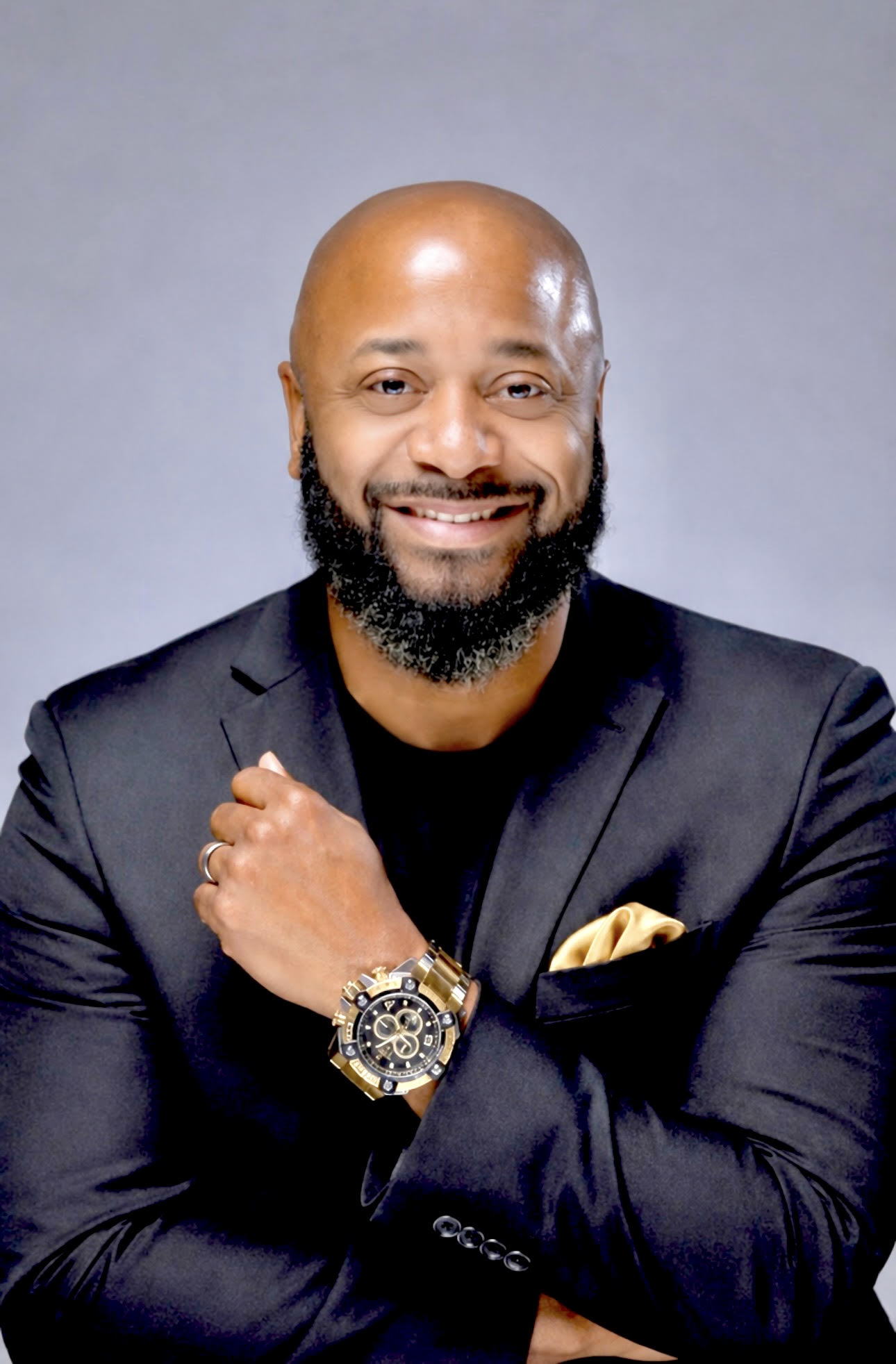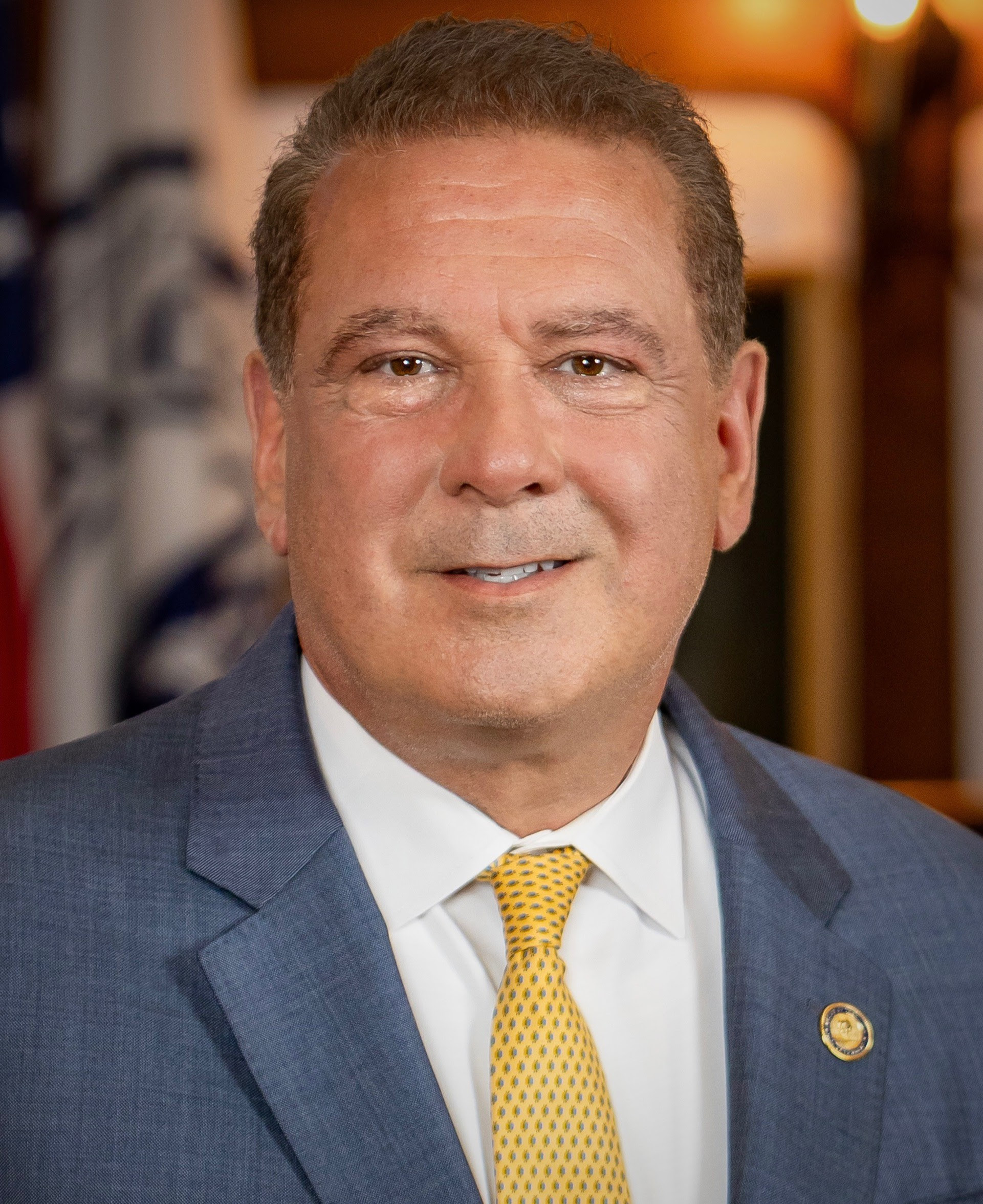
Mike Spano is the 42nd and longest-serving mayor of Yonkers, New York, leading the state’s third-largest city since 2012.
A lifelong Yonkers resident who previously served two decades in the New York State Assembly, Mayor Spano has overseen a transformative era for the city. Under his leadership, Yonkers has become New York’s fastest-growing city and a booming cultural and economic hub.
The Hip Hop Museum caught up with Mayor Mike Spano to talk about his artifact donations to The Hip Hop Museum, the legacy of Yonkers’ own DMX, why he believes The Hip Hop Museum is important, and more.
Adam Aziz: Can you start by introducing yourself?
Mayor Mike Spano: My name is Mike Spano. I’m the Mayor of Yonkers, and I’m responsible for taking care of the daily needs of the residents of this great city.
I also have the opportunity to celebrate some of the great things happening, like the artists who have called Yonkers home, especially someone like DMX, who made a point of always coming back. You can’t say that about everybody; DMX was always there for us. I’m finishing up my fifteenth year as Mayor, and I’ll conclude my time as Mayor in the next year and a half, as I won’t be running for re-election.
AA: Speaking of DMX, I wanted you to talk about the donation you made to the museum, the Earl Simmons street sign. What’s the significance of that?
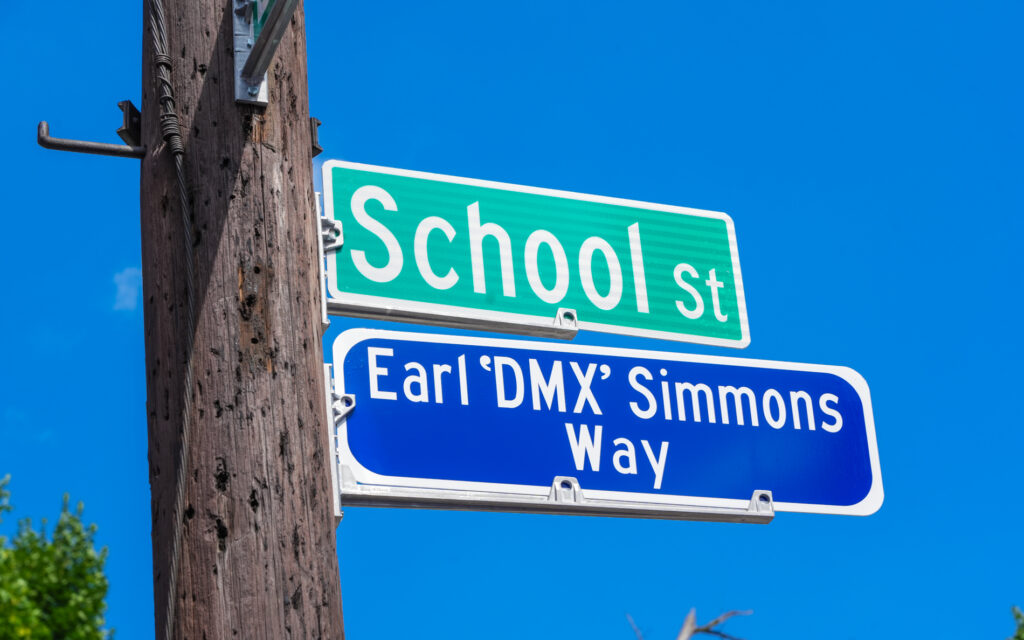
MS: We could have recycled it. We had this sign, and we have this opportunity with the museum to participate with the family and share it in DMX’s memory. I thought it was very appropriate for us to take someone iconic in Hip Hop but never forgot his roots in Yonkers. He was always there doing turkey drives, food drives, and coat drives. He was always willing to participate. And I wanted to make sure that, for a man who didn’t forget us, we wanted to do our own, in a small way, of never forgetting him. And that was a great way of doing it by naming a street after him.
AA: Why is Hip Hop culture so important to Yonkers? And why do you think so many important artists have come from Yonkers?
MS: Hip Hop started in the Bronx, but you have to remember where Yonkers is. The Bronx is our neighbor. So there’s really no borders to music, right? We’re the same community in many ways. And so that’s why I think that there are so many notable artists coming from this area.
It’s not just DMX, but The Lox, Mary J. Blige. Even Steven Tyler from Aerosmith—everyone looks at Steven Tyler and goes, “he’s this guy who made it in Boston.” No, Aerosmith started in Yonkers.
AA: In your fifteen years as Mayor, do any memories stand out connected to Hip Hop?
MS: Lots of them. I remember one day I was at the Yonkers PAL (Police Athletic League). DMX was there, and he started talking to me, but I didn’t recognize him right away. He was dressed down. He was standing in a corner, and, you know, he had funded this entire turkey drive and was taking care of the kids, and we were talking. He never told me who he was – you expect he’s going to be surrounded by people, right? He wasn’t. He was just a regular guy having a regular conversation. And then all of a sudden, I realized who he was as I’m talking to him. I said, “Yeah, X.” He goes, “Yeah.” He had that low voice. DMX never lost his attachment to Yonkers. He never got too big for himself. I think that says a lot about a person and who they are.
AA: You’ve donated some other items to The Museum, including digital photographs from a key to the city ceremony for The Lox. Why did you decide to give The Lox the key to city?
MS: I’ve only given two keys to the city. When I became mayor, Styles came to me and said he wanted to have lunch and talk about the community and what he could do. And one of the things that he said was we have all these beautiful parks in Yonkers, and the ones on the west side need to be repaired, and we did that. And then he told me the kids don’t have anywhere to work out and suggested we set up workout stations in the city parks. And because of Styles, he helped me, and we did it.
He made a lot of smart suggestions, and kids and families are all healthier for it. It’s amazing how many people use these workout stations all across the city. And it all happened because Styles came to me and said, “I think this is important.”
Styles also has Juices for Life, where they invest back in the community. He does that with Jadakiss; they’re always willing to come and say, “How can we help? Are you doing something, and can I be there?” And it’s nice to have people who, without asking for a thing, come back to the community.
AA: You have such a positive view of Hip Hop culture and the Hip Hop community. That isn’t always the case for politicians. Why do you have such a positive view?
MS: A funny story. I was going to run two terms. I ended up running four terms, and when I was coming up to the fourth term, I wasn’t going to run. And when I was trying to make the decision, DMX’s song “We Right Here” popped up – you know, “we right here. We’re not going anywhere.” And when I decided to run again, I announced it with the song as the backdrop.
AA: Why do you think The Hip Hop Museum is important?
MS: Because Hip Hop is storytelling, and storytelling is important in this moment, in this moment of time and space and energy.
We will always recognize it because it’s part of America’s fabric and part of what makes America the special country it is.
I know it sounds very political to say that, but I think it’s really important that we always remember the contributions of Hip Hop’s storytelling, and the impact it’s had on the world.
Follow Mayor Mike Spano on Instagram.