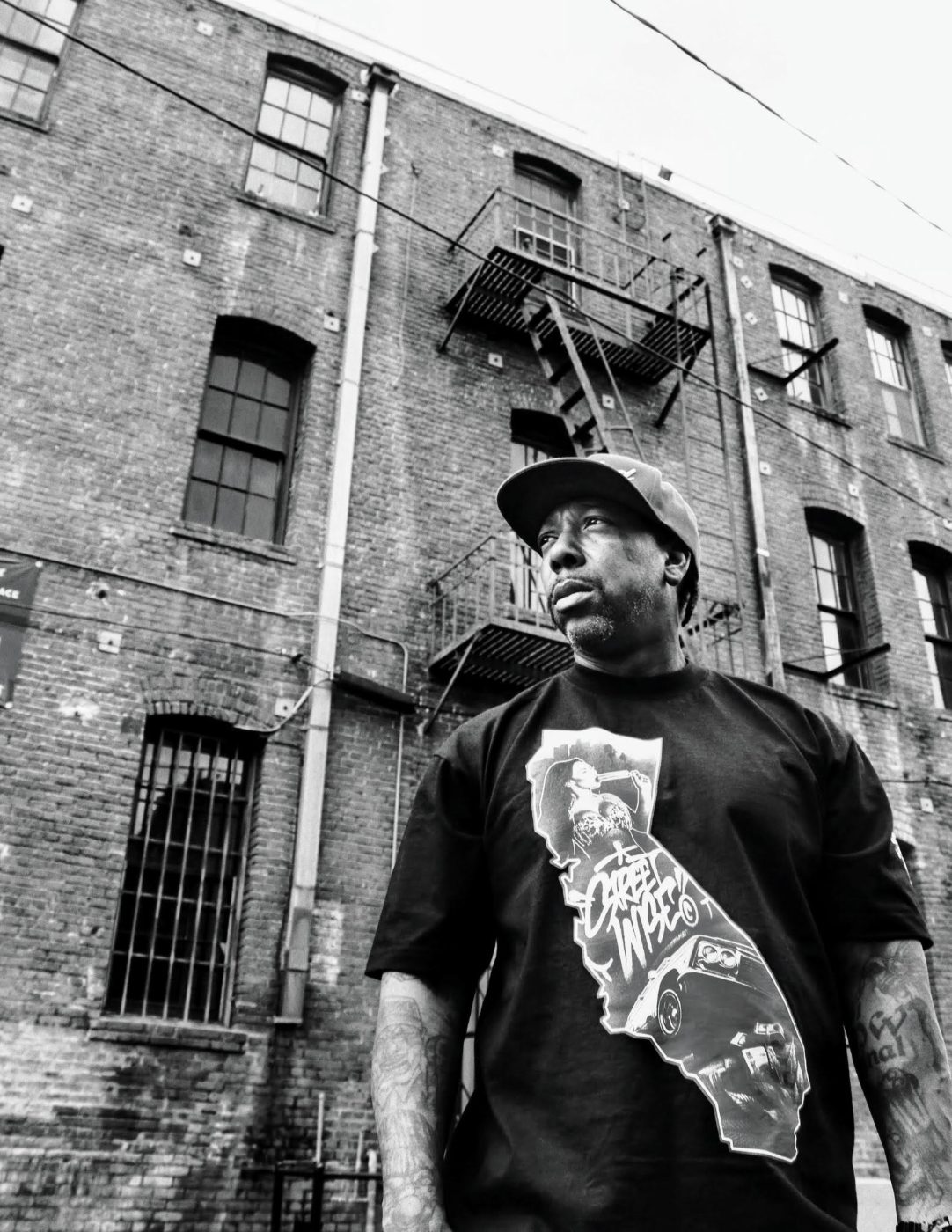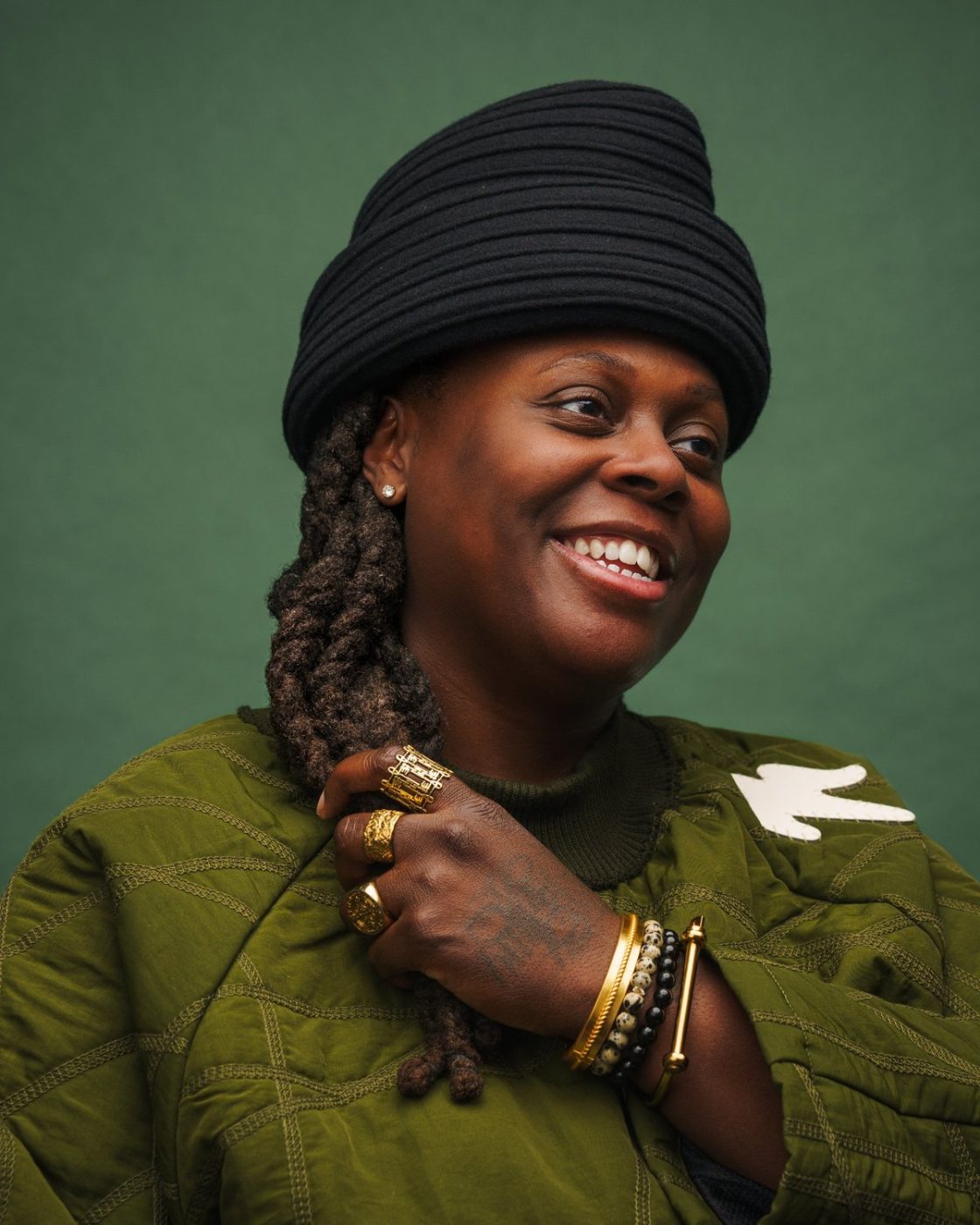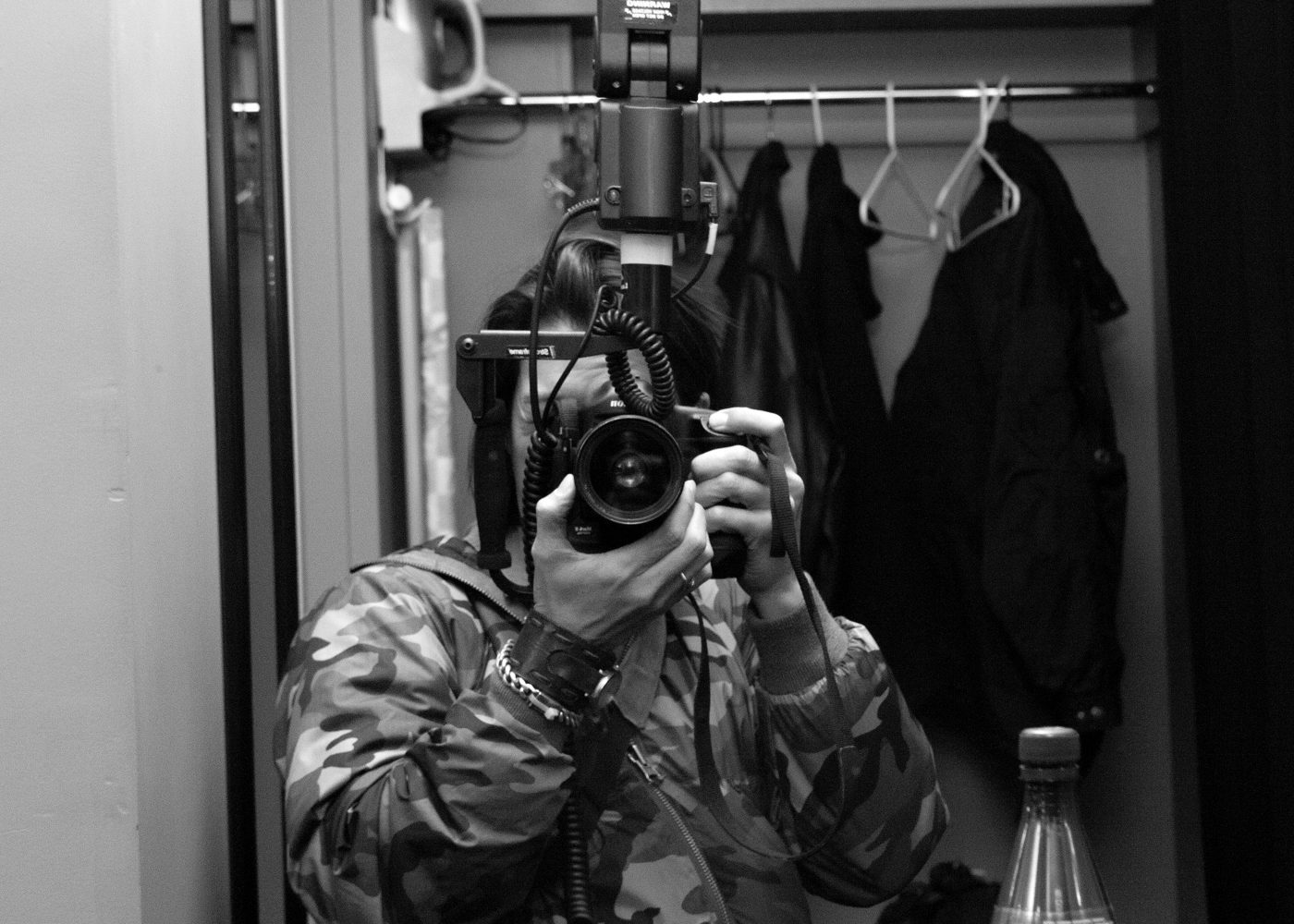
For more than three decades, photographer Michael Wong has been behind the lens for some of the most recognizable faces in music and sports. A California native, Wong moved to New York in the early ’90s and built his career shooting musicians for record labels and magazines, before spending six years shooting for Nike, where he photographed Kobe Bryant and a then-18-year-old LeBron James before his NBA debut.
His portfolio spans Aretha Franklin’s A Rose Is Still a Rose album cover, individual portraits of the Beastie Boys, Ice-T, Ice Cube, Wu-Tang Clan, MC Lyte, and many more. In 2006, a VH1 Hip Hop Honors campaign led to years on the road with Rakim, capturing backstage and onstage moments few others were ever allowed to see.
Those images are the focus of this month’s Artifacts feature. Michael has donated nearly 50 photographs of Rakim, along with a series of artist portraits, to The Hip Hop Museum.
We spoke with Michael about earning Rakim’s trust, the difference between photographing athletes and musicians, the 45 minutes that produced an Aretha Franklin album cover, and more.
Adam Aziz: Tell us how you got your start as a photographer.
Michael Wong: I’m from California, and when I was an assistant to photographers, I used to come to New York and I loved it. I came to New York in the early ’90s, and all I wanted to do was shoot musicians. There was so much going on. You’d walk around New York and hear radio stations out of cars playing all sorts of stuff, from rock to Hip Hop to new wave. Everything was fresh and new.
I started photographing a bunch of stuff and got hired through record companies and magazines to shoot musicians. Then I shot a lot of athletes because I shot for Nike for six years. I was the first person to shoot LeBron James at the Nike campus. They flew me to Portland for that. I also shot Kobe for them, and I was their basketball photographer for years.
AA: How did you come to work so closely with Rakim?
MW: Back in 2006, I got hired by VH1 for a campaign called Hip Hop Honors. Through that campaign, I got to shoot Ice-T, Ice Cube, Rakim, Wu-Tang, Russell Simmons, MC Lyte, and Afrika Bambaataa. Rakim’s manager then said to me, “Hey, you know what? Let’s do a book.” So I toured with Rakim, West Coast and East Coast, backstage and front stage, and I got intimate moments that no one else would ever get.
The green room is like a jungle. People guard where they’re at. The first time I went backstage, I got a beer, and someone yelled at me because they didn’t know who I was. I went to management and asked where I was allowed to go. They said anywhere, but I didn’t feel comfortable. Then Rakim came backstage and said, “Hey, this is Mike. He’s an artist. Let him do what he does.” And I was golden. Everyone left me alone, and the guy who yelled at me came over and apologized.
I toured with them for years, from DC to Baltimore to California. Later, I asked management who the photographer was before me. They said nobody, because they didn’t trust anybody.

AA: What’s the biggest difference between photographing musicians and athletes?
MW: I’ve always treated the artist as people. I don’t put them on any kind of pedestal. A Nike producer once told me the way I talk to artists is one of the best he’d seen from a photographer. They walk in with no idea what’s going on, so I explain: “This is what we’re going to do today. We’re going to go over here, and we’re going to do this.” Some people have been to so many shoots they know what to do, but a lot of artists come to a photo shoot not knowing. When you give them a plan, it really smooths things out.
My favorite studio was in the Lower East Side, the Bathhouse, an old bathhouse from the early 1900s turned into a photo studio. When Rakim came, he came with his wife. We introduced ourselves to Rakim, we introduced ourselves to his wife, and we asked, “What do you need?” You don’t just talk to the artist. You include everyone.
Athletes have a different mentality. I’ve never met a pro athlete who wants to lose. Their mindset is always on that goal. Musicians approach things differently. When I photographed Moby, he brought me into his studio, and it was like, “Please don’t touch anything.” When I photographed Wu-Tang, RZA saw a piano and just started playing it. Okay, cool. We’re having fun. Let’s do this. But they’re all interesting individuals, and they are where they are for a reason.
AA: Let’s talk about the photographs you donated to The Museum. What makes them, and the Rakim images in particular, so special?
MW: About a year and a half ago, we were putting together a photo show with Rakim in Brooklyn, and he was going to perform a small six-song set. We had the location, the photos, Rakim, and the date. Then the tariffs came in, the stock market went crazy, and the company funding everything pulled the money at the 11th hour, right when we were paying to get the imagery printed. So I have all this imagery of Rakim that nobody’s seen, and some of the images I’ve given to The Museum, nobody’s ever seen.
While we were working on that show, I met Rakim at a hotel, and we had him write the lyrics to “Paid in Full” in a notebook. His handwriting is awesome. I also brought a photo of him leaning over a huge crowd, shaking hands with somebody. He had never seen it. I printed it big, 20 by 24, one for him and one for me. He said, “Mike, this is one of my favorite photographs. This inspires me to do what I do. I’m going to put this in my studio and look at it every day.” Knowing that somebody who is such a huge part of Hip Hop history likes my photographs of him that much really resonates with me.
I gave The Museum close to 50 images of Rakim, and I have maybe a hundred more that could be solid for a show. Whenever I asked management for time with Rakim, I’d only ask for 15 minutes. If you can’t do it in 15, why ask for more? I’d set everything up, Rakim would come in, boom, and then he’d go do his thing.
One portrait I gave was taken outside a hotel while we were waiting for the cars to go from Baltimore to DC. I looked in the driver’s side mirror and said, “Hey Rakim, come right here.” Boom. It took about three minutes, and it’s just this perfect timing of him in that mirror. You’ve got minutes. What can you do? You’ve got to think on your feet.
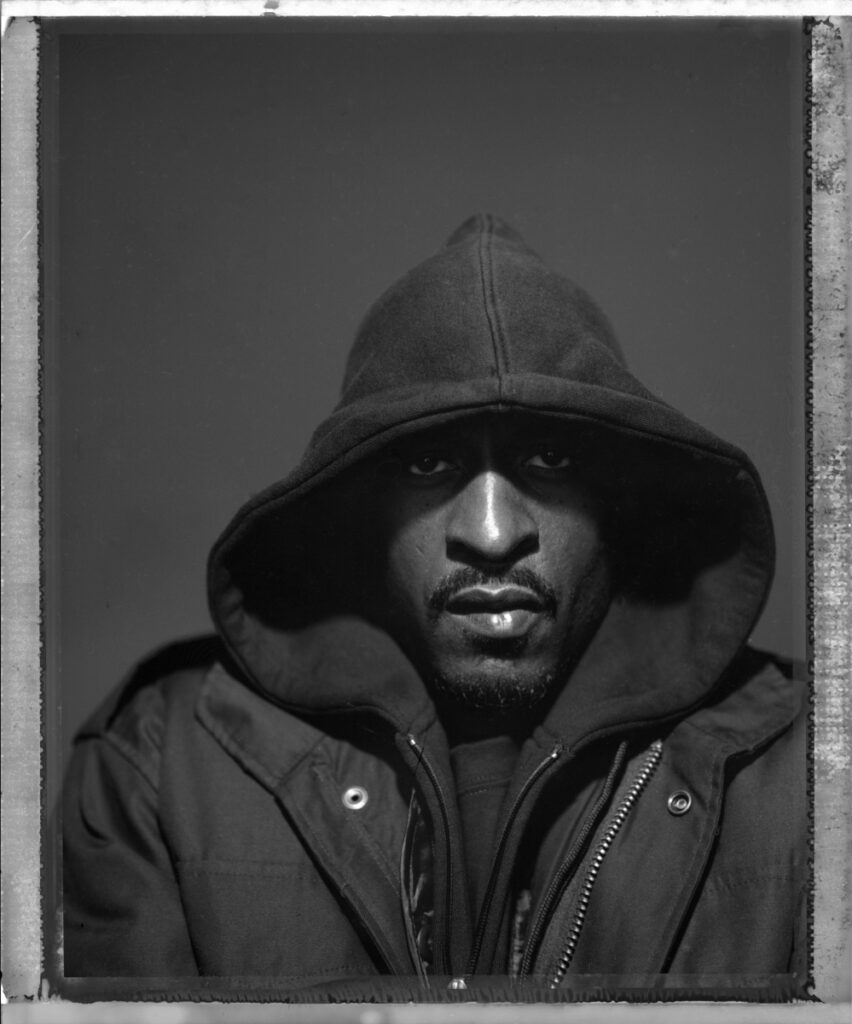
AA: Beyond Rakim, you also donated a series of artist portraits.
MW: I think every one of them is solid. I photographed Jay-Z and Puffy, but I didn’t include those because I didn’t think they were as strong as what other photographers did. For the VH1 project, I also did individual portraits of the two Adams and Mike from the Beastie Boys. How many other photographers ever shot the Beasties singly? You always shot the Beasties as the Beasties. Years later, when Spike Jonze was doing the Beastie Boys documentary, they put my portrait up in the ending shot when Adam and Mike are talking about Adam.
Looking at those portraits, the Rakim, the Ice Cube, all the Wu-Tang, MC Lyte, I was on a roll. I was photographing every week, and I was on my game.
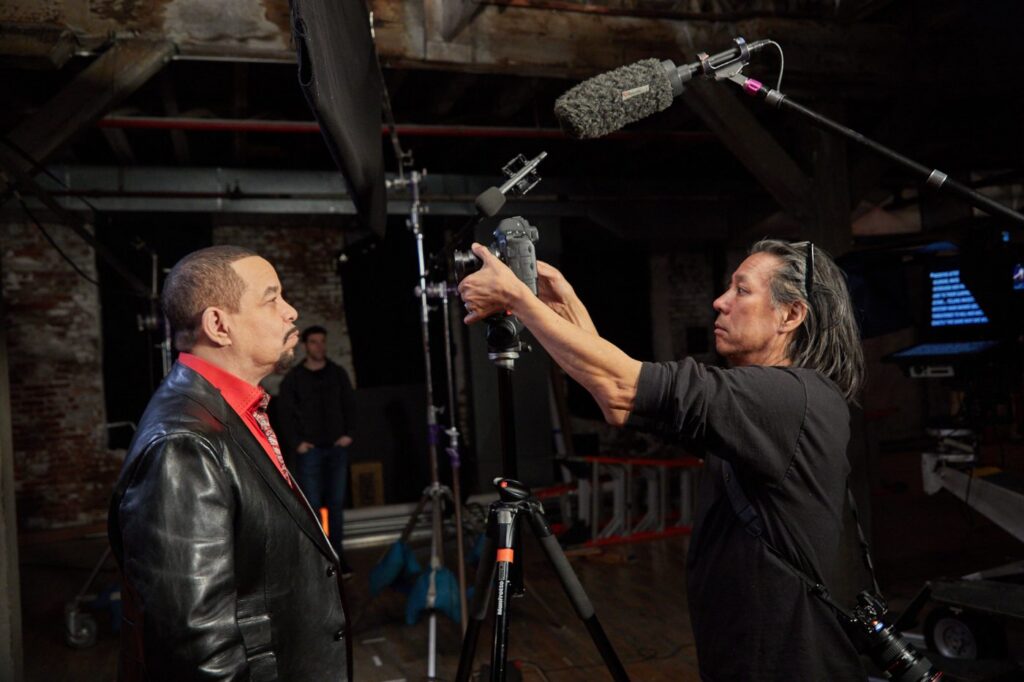
One story that doesn’t have to do with Hip Hop, but has to do with music: I got hired to photograph Aretha Franklin for an album cover. She was always the Queen of Soul. The day before, I watched a BBC documentary on her whole life, and it threw my head into a spin. She was doing a video shoot, and Lauryn Hill was directing it. If anyone’s been on a video shoot, there’s never enough time.
I was the redheaded stepchild. No one wanted to give me any time. Then the head of the record company came in and asked how everything was going, and the art director I was with said, “We don’t have anything. They won’t give us any time.” He stood up and told Lauryn Hill, “If you don’t give him 45 minutes, I’m shutting everything down.” Everyone stopped and looked at me. But I pulled it off. The album cover, A Rose Is Still a Rose, came out great.
When I went to shoot LeBron James, he was 18. He hadn’t played in the NBA yet, and Nike had just signed him. People think, “Oh, I want to be a photographer.” But when you’re getting paid, people have a list of things you need to do, and you need to pull it off. That’s what gives real professional photographers longevity. If someone says you have 30 minutes, you’ve got to pull it off.
AA: Why do you think it’s important Hip Hop has its own museum?
MW: Back in the ’90s, there was so much variety: Hip Hop, punk rock, all sorts of music. But look at where Hip Hop is today. Look at how it’s permeated all over the world, in culture, in fashion.
When people come to New York, they should say, “You know what, I’m going to take a day, go to the Bronx, and see The Hip Hop Museum,” the same way they say, “I want to go see the Guggenheim, I want to go see the Met.” The Museum should resonate with all sorts of people: people who live here, people traveling in, people from other countries. It’s going to be able to talk to such a wide audience because Hip Hop has seeped into the life and lifestyle of the world. To be a part of The Museum, to be part of my legacy and their legacy, I think it’s going to be great.
Follow Michael Wong on Instagram.