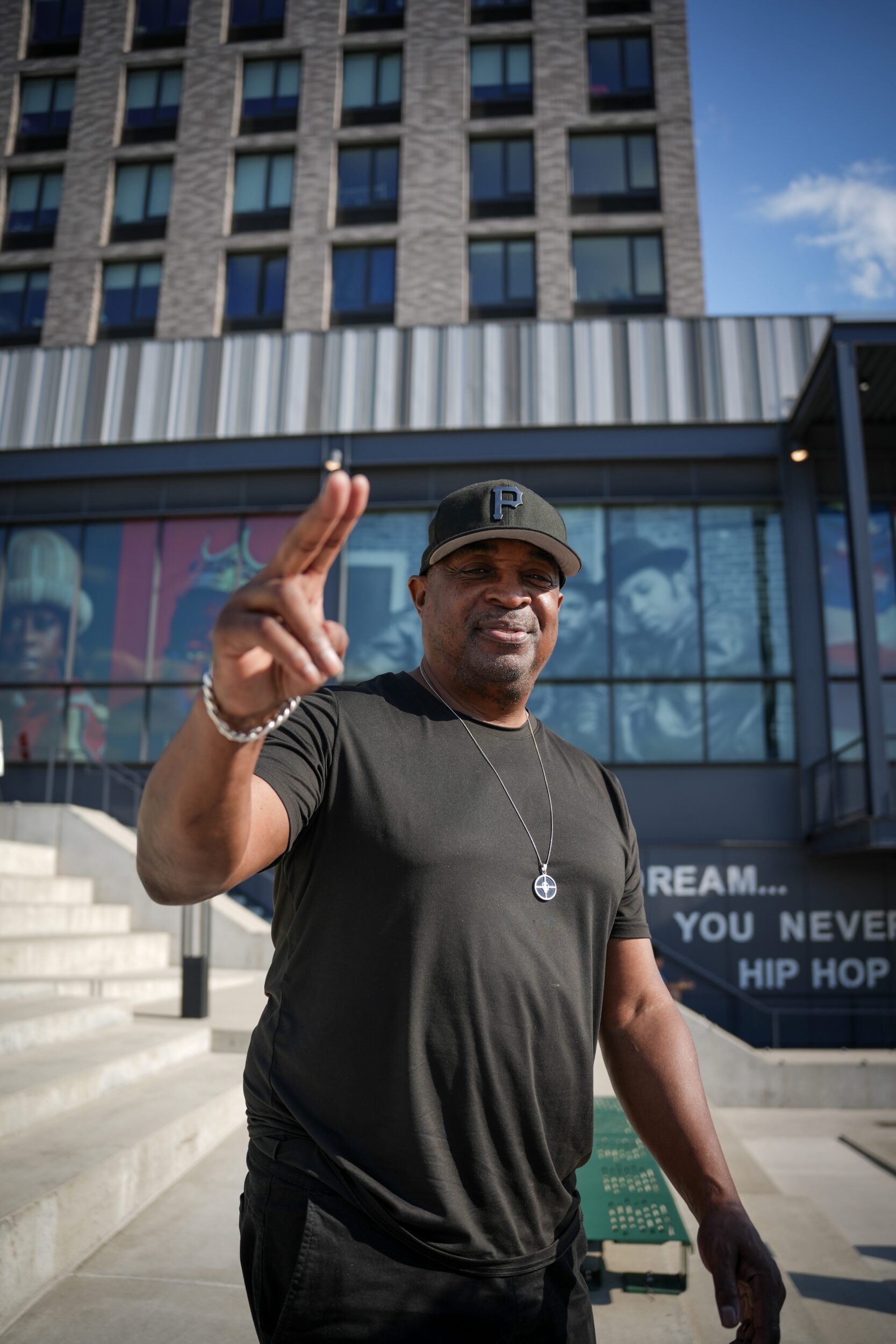
When Melle Mel wrote “The Message,” the Bronx native was barely old enough to legally buy a drink. Yet even then, he understood what Chuck D would later immortalize: “Hip Hop is the CNN of the streets.”
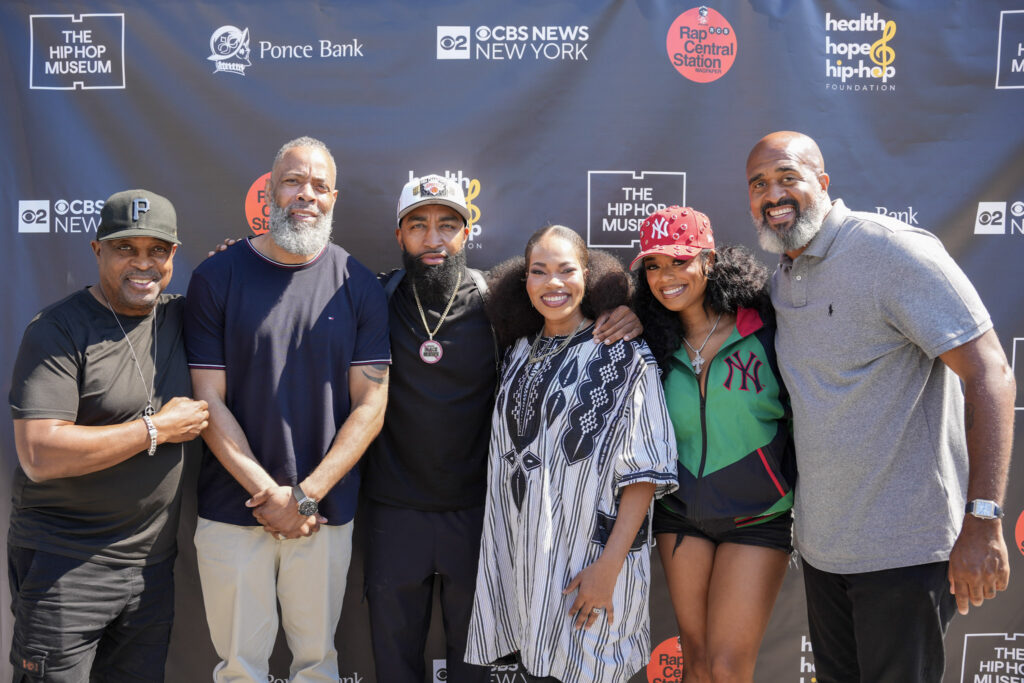
Nearly 45 years later, that truth remains as relevant as ever. As part of the nation’s America 250 commemoration, The Hip Hop Museum launched The Beat of Democracy, an inaugural civic engagement initiative produced in partnership with CBS News New York, the Health, Hope & Hip Hop Foundation, and Rock the Vote. The program was designed to elevate the voices of artists, advocates, educators, and community leaders using Hip Hop as a vehicle to address the issues shaping America’s future.
Held on June 17, 2026, at The Hip Hop Museum in the Bronx, The Beat of Democracy: Revolution 250 brought together influential voices from music, media, public health, activism, and education for an afternoon centered on democracy, justice, civic participation, identity, and community empowerment. The event reflected Hip Hop’s enduring role as a catalyst for social change and a platform where culture and citizenship intersect.
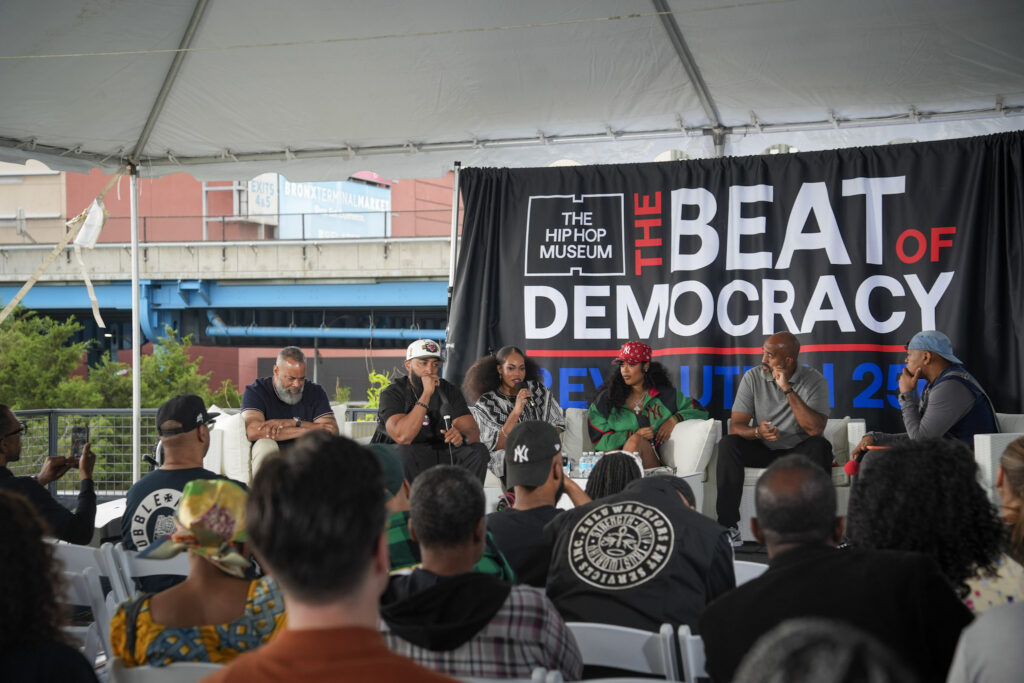
The symposium featured three conversations curated by award-winning journalist Kevin Powell. The Health & Hip Hop panel explored the relationship between culture, wellness, and health equity, featuring Oya Gilbert, founder and CEO of the Health, Hope & Hip Hop Foundation; Maria Davis, founder and CEO of Can’t Be Silenced; and legendary producer Charles “Stik-E” Smith.
The Civics & Hip Hop panel brought together Mysonne, Lady London, Marlon Rice, Raina Simone, and The D.O.C. to discuss civic engagement, community organizing, and using creativity to inspire action.
The afternoon closed with a fireside conversation featuring Public Enemy co-founder Chuck D, whose decades of advocacy underscored Hip Hop’s responsibility to challenge injustice and encourage informed participation in democracy.

Grounded in the Five Elements of Hip Hop, The Beat of Democracy showed how the culture continues to shape political awareness, education, economic opportunity, public health, and civic responsibility.
More than a single event, the initiative marked the start of an ongoing commitment by The Hip Hop Museum and its partners to keep Hip Hop an essential voice in the next chapter of the American story.